Fighting With a Smile

The Navajo Nation is filled with many unexpected gems.

I first discovered this back in 1993 when we moved to Arizona when I accepted an appointment as the Cabinet Secretary and Director of the Arizona Office of Tourism. Over the years, I have traveled to Navajo Land many times.

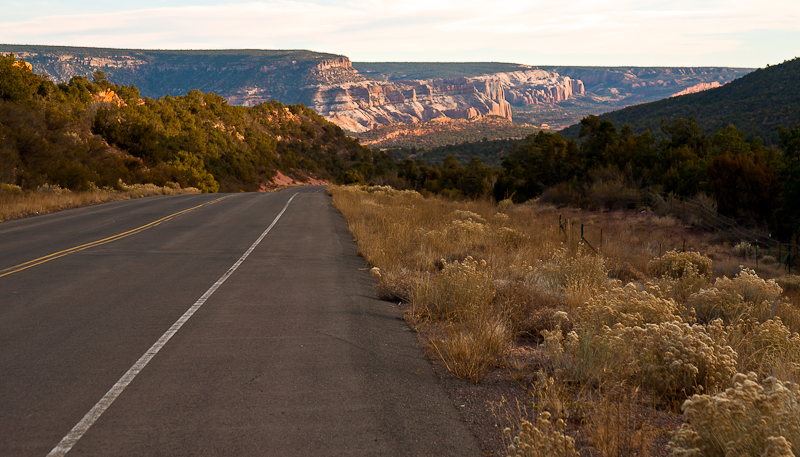
It seems that each trip there exponentially increases my love of the scenery and the people. When I think of the four corners area, great memories are associated with trips, film productions, and photo shoots that have taken me to places like Canyon de Chelly, Antelope Canyon, Hubbell Trading Post, Monument Valley, and the ruggedly handsome landscape in between.

Through western literature, modern movies, and travel media, people around the world are often familiar with one or more of these treasures. Far fewer have experienced the joy of visiting these places and meeting some of the humble, often deeply spiritual, people that make this their home.

Last week, I had the pleasure of tagging along when my son Andrew had a couple of video productions scheduled at St. Michael Indian School near Window Rock (see my photo on the left). The school was founded in 1902 by Saint Katharine Drexel of the Sisters of the Blessed Sacrament. Once again, another trip to this special reservation provided great memories, pleasant surprises, and awesome photo-remedy.

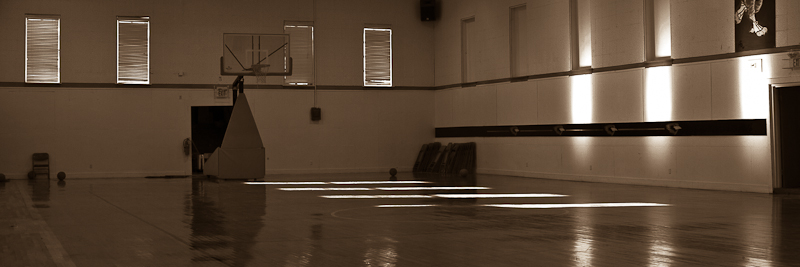
Part of Andrew’s focus was on the love of basketball that is so frequently embraced by Navajo children and, often, their families. Many of the high school students had some serious hoop skills (check out Andrew’s video).  They played hard and clearly enjoyed competition, but I was in awe when I looked back at the pictures I took. I was so busy snapping away that I missed what was most impressive about the way they play the game. Thankfully, the pictures helped my get the insight I blindly missed when I had my face glued to the view finder.

What did I see when reviewing the photos? Smiles. Lots of smiles. While many of the kids’ struggles on the court can mirror difficult lives, they fight with a smile.

Ironically, the saying I’ve crafted and adopted since my spine and pain challenges began escalating is, “I’m fighting with a smile.” I say it. These kids do it.

Their spirit inspires and leaves me with a smile. I pray that it does for others as well.
Our Ancient Thanksgiving Roots?

In a land far away, a time long ago, one man forever changed how future generations would come to know the true meaning of ‘thanks giving.’

As an adult, he likely never traveled more than a couple of hundred miles from his place of birth, yet his words and actions inspired many nations to value what we are celebrating on this day in America. Because of the way he changed hearts, people fled to our shores to start a colony where religious freedom would forever be protected and treasured.

Here, people of many colors, beliefs, and cultures have consistently come together on this day to break bread and give thanks. Our ancestors have done this during times of war, peace, abundance, and struggle. They have come together to be thankful for both our triumphs and tragedies, for those who are with us and those who have departed.

And just like the man from Nazareth, so many recognize the importance of giving thanks to our heavenly father, recognizing that there is a distinct plan built by a creator who knows us, loves us, and whose wisdom far exceeds our comprehension. When we embrace that there is one greater than us, it is much easier to look for the blessings in our lives at all times. It is much easier to be humble in our victories and hopeful when we face great challenges. It is much easier to understand the importance of giving thanks always.

In light of this, Happy Thanksgiving to you today! It is our prayer that all of us find a moment today where we take inventory of our blessings, snap a few memorable photos, and give thanks to all who played roles in creating this great day of grace and reflection.

– Greg and Andrew

Rewiring Our Brains

Short of heaven, we all have to learn to live with some form of pain.

For some, emotional burdens mark our greatest struggles. For others, physical issues can pose agonizing challenges.  And, if we are really lucky, we have the opportunity to overcome both!

In his hit ‘Learn to Live,’ the great crossover artist Darius Rucker sings, “You  gotta live and learn. You gotta live and learn – so you can learn to live.”

The Wall Street Journal  this morning offered a number of valuable insights into how the mind processes pain and how chronic pain sufferers can better  learn to live with their issues. The article focuses on Stanford University research and a new project funded by the National Center for Complementary and Alternative Medicine (NCCAM). Yes, there really is an agency with that name.

My wife Mary handed me the article this morning, and I began dissecting it almost immediately. Within a short period, I concluded it was filled with brilliance. Why? The article author (Melinda Beck) and the researchers focused on much of what we have been sharing here at Photo-remedy (see October 3, 2011 background post).

For me, a few of the most important takeaways from The Wall Street Journal article are:

1)  There is a growing understanding that medications only offer a part of the chronic pain solution. 2) Many age old approaches are proving effective remedies. The article mentioned meditation, for example, which is in the direction of the important role prayer plays in my life. 3) Other solutions are far more high-tech. This includes major advancements in understanding how the management of activities in our brain cortexes can reduce the perception of pain. 4) Perceptions of pain are highly individualized, and are related to individual health and experiences. 5) Directing our minds away from pain is a major part of the chronic pain solution. This is, of course, why Photo-remedy is focused on the important role photography can play for those that have a love of what goes into making great pictures.

We hope you get a chance to review The Wall Street Journal article. In the meantime, keep ‘fighting with a smile.’ – Greg

Photo Credit: David R. Wright

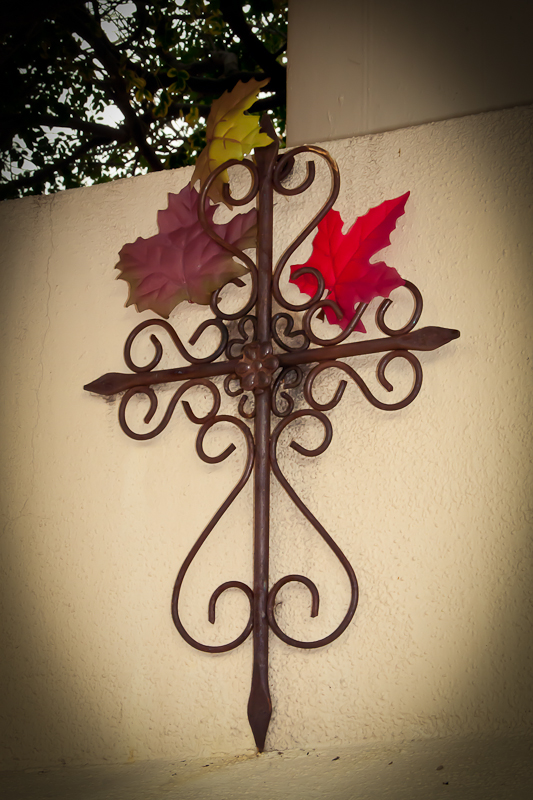
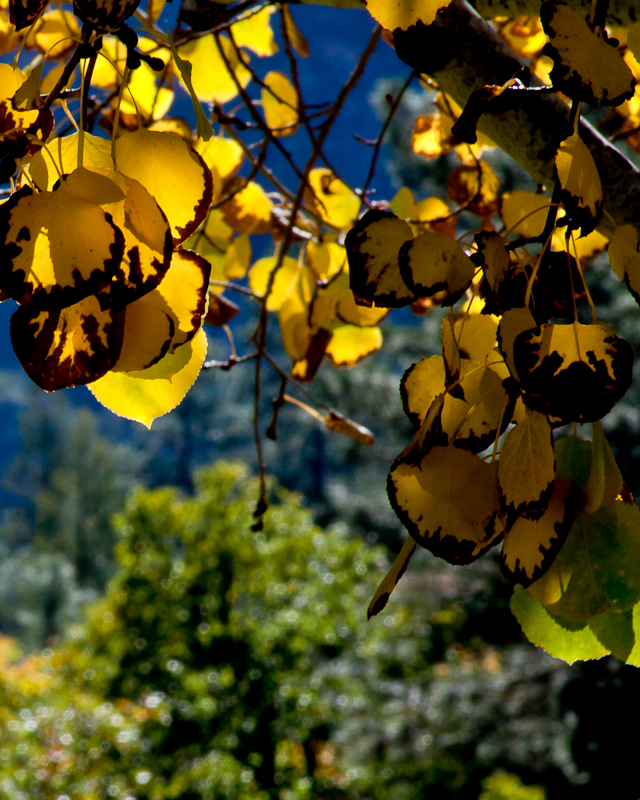
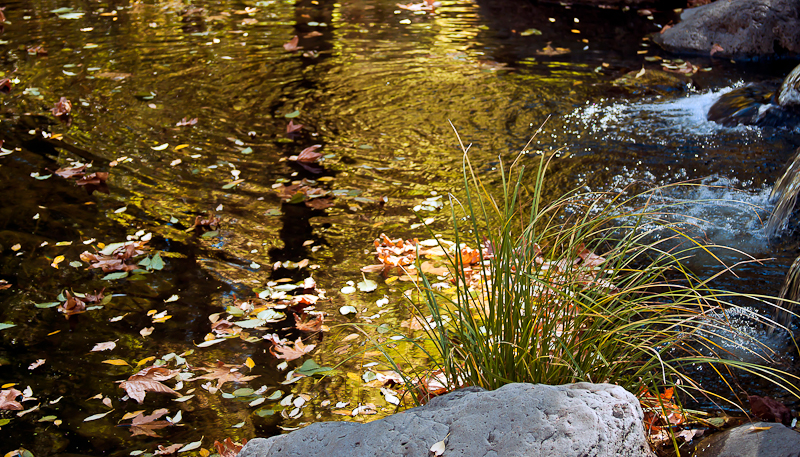
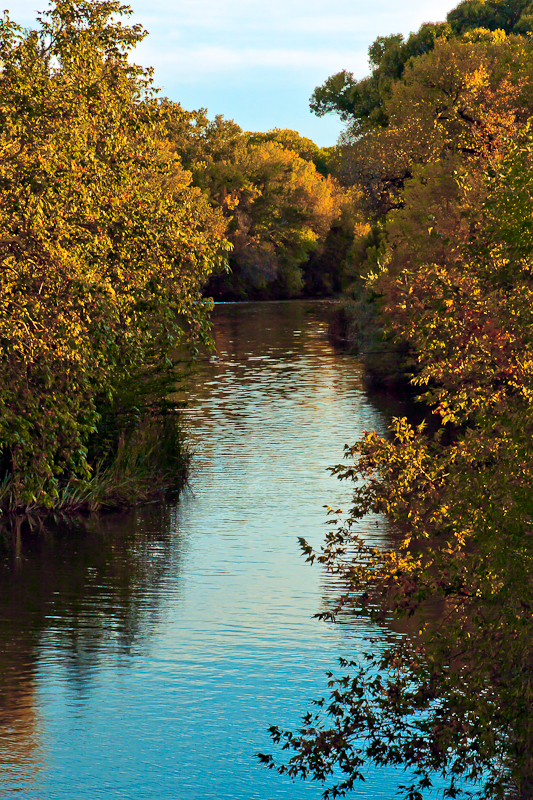
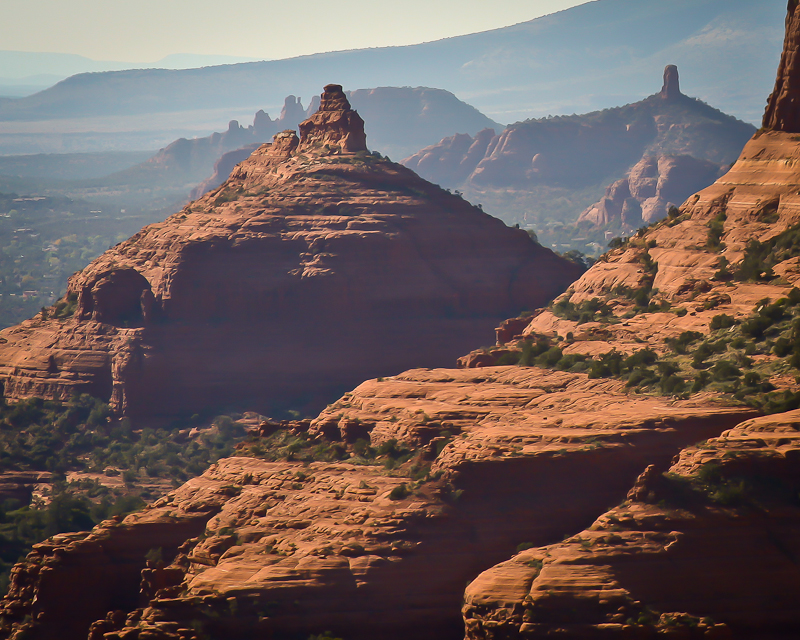
Special Note: The photography featured in this post came from recent efforts to capture some of the fall splendor in nearby (to me) Sedona, Oak Creek Canyon (via Highway 89A from Flagstaff), and Oak Creek near Cornville. Special thanks to my good friend and co-pilot,  Dave Wright, for joining me on the Schnebly Hill portion of the journey. Additional photography is featured on our Exploration Communication website.


Forgetting Our Limitations

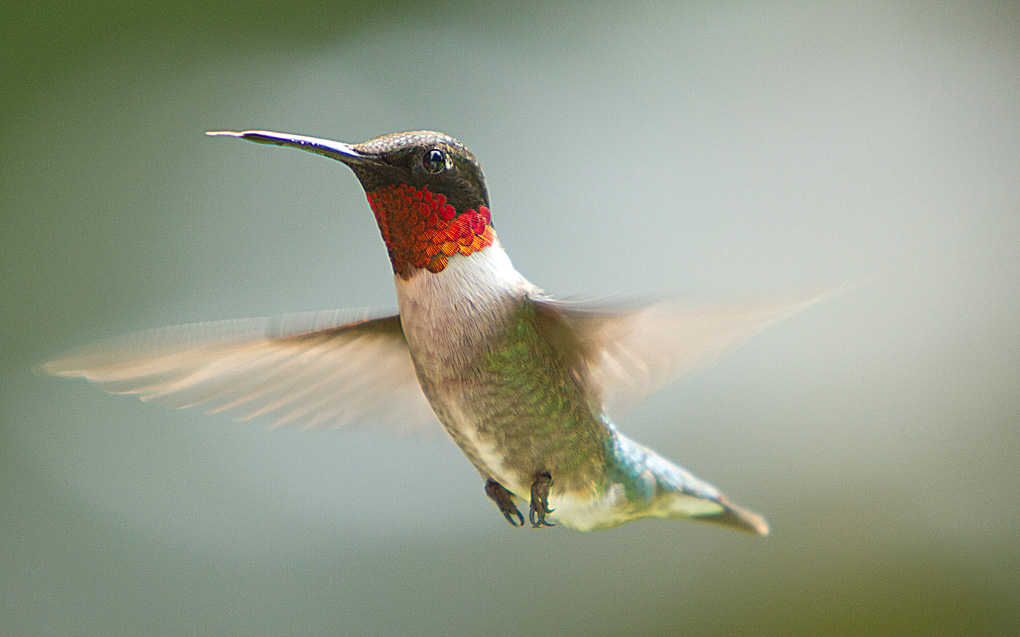
Photo credit: JP Bruce

As a child I had polio and have used crutches and a long leg brace for mobility all my life. Even though I am lucky enough to not have any pain I use photography to help escape the realities of life. Photography also allows me to share my love of nature.

Being outdoors and observing animals has always been a favorite activity of mine.

Photo credit: JP Bruce

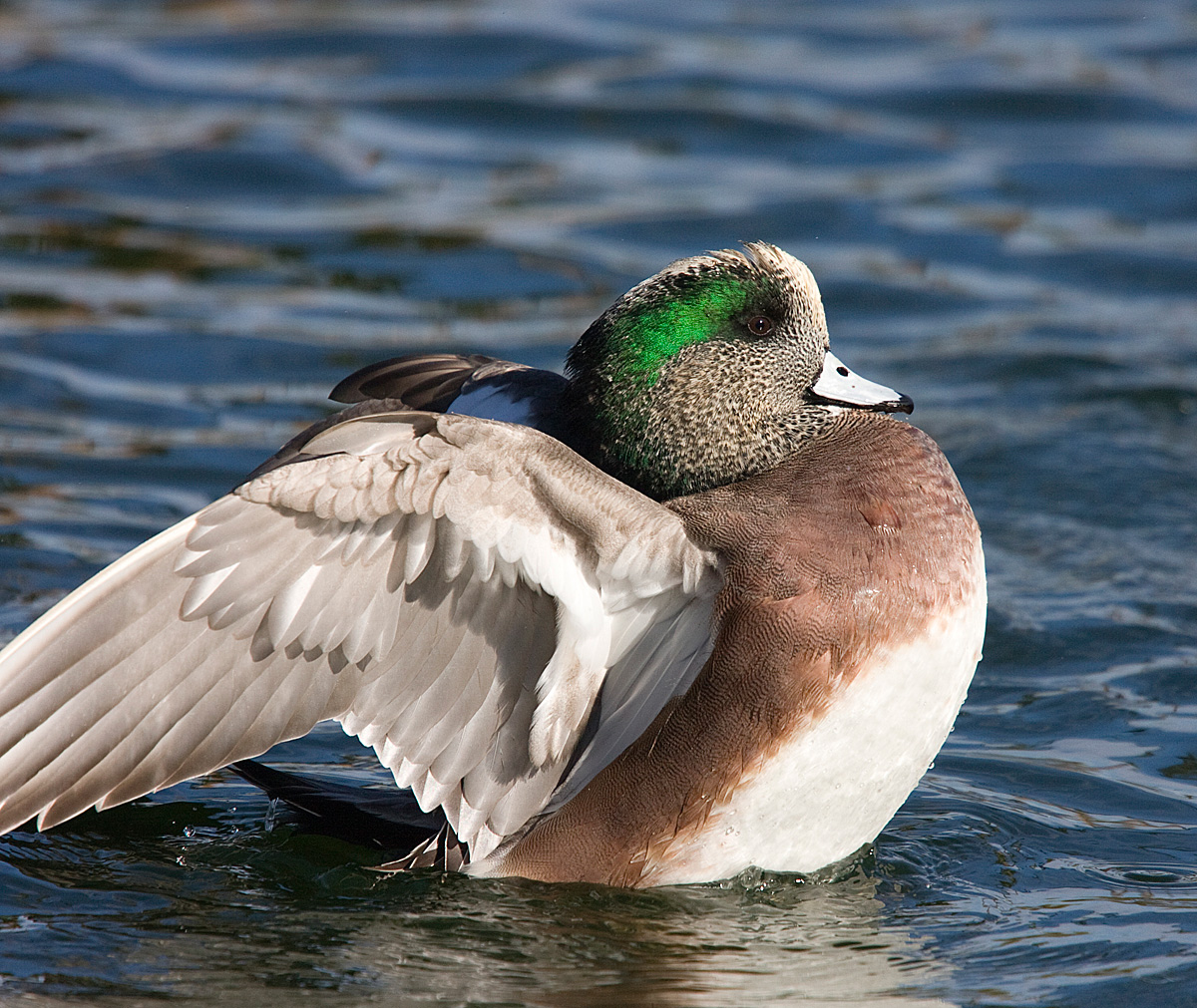
Photography allows me to observe better and keep an image to remind me of the moment. A car works well as a blind most places. It can be used to observe the animal’s natural behavior without disturbing the animals. By setting quiet and using a long lens it is possible to photograph animals in their natural setting. I forget all about my limitations and enjoy the moment while taking these photographs. Finding a good location and then waiting for action that will produce a good photograph has devoured hours of my life. If the photo is a scene with no animals there is no waiting for the action but often time is spent waiting for just the right light. Since photography is just capturing light it is important to get it right. In my opinion the photos I take compare quite well with others, so instead of being the disabled photographer I am a photographer with a disability. That is a small but important distinction.

Photo credit: JP Bruce

Looking at the photos later I am able to see details that were not apparent when observing live action. Detail in the feathers or fur are able to be seen and enjoyed. Lots of times the faces of the animals seem to have an expression. You can almost see anger, curiosity or joy in their eyes and faces. Using the computer to help make the photos reach their potential brings me joy and satisfaction.

It also keeps my mind occupied so the cares of the day are forgotten for a while.

Many hours have been spent both trying to capture an image and then editing it on the computer. The time seems to fly by and the worries and hassles of daily living seem to vanish. Photography may not be the only activity that would achieve those results but it is the one I am doing now and would recommend it for anyone that has an interest. An added plus is sharing your photos with others can be a social activity. Just don’t show your bad photos or too many of the good ones or the people won’t want to return.

Best wishes.
JP

Note from Greg: Special thanks to JP Bruce for sharing his photos and story. I had the pleasure of meeting JP at a recent workshop on how to best utilize Adobe Lightroom photo-editing software. I was amazed at the number of people who attended the session who, like both JP and me, walked with the aid of a crutch or cane. There were even some who came in wheelchairs. For me, it helped validate what we are trying to do with Photoremedy. JP is obviously a very talented writer and photographer. I encourage you to check out more of his work at: www.jpbruce.com (his website) or www.jpbruce.wordpress.com (his blog).

Photo credit: JP Bruce

Seeing the World Through New Eyes

It is incredibly tempting to rush your way through Northern California. There is so much to see and do that you have to be careful to not fall in the trap of looking so forward to the next stop that you fail to fully take in what’s right in front of you.

We wrapped up our trip to the Napa and Bay areas with a couple of days in San Francisco. It was there that I was reminded of another one of the great photo-remedy benefits–seeing the world through new eyes.

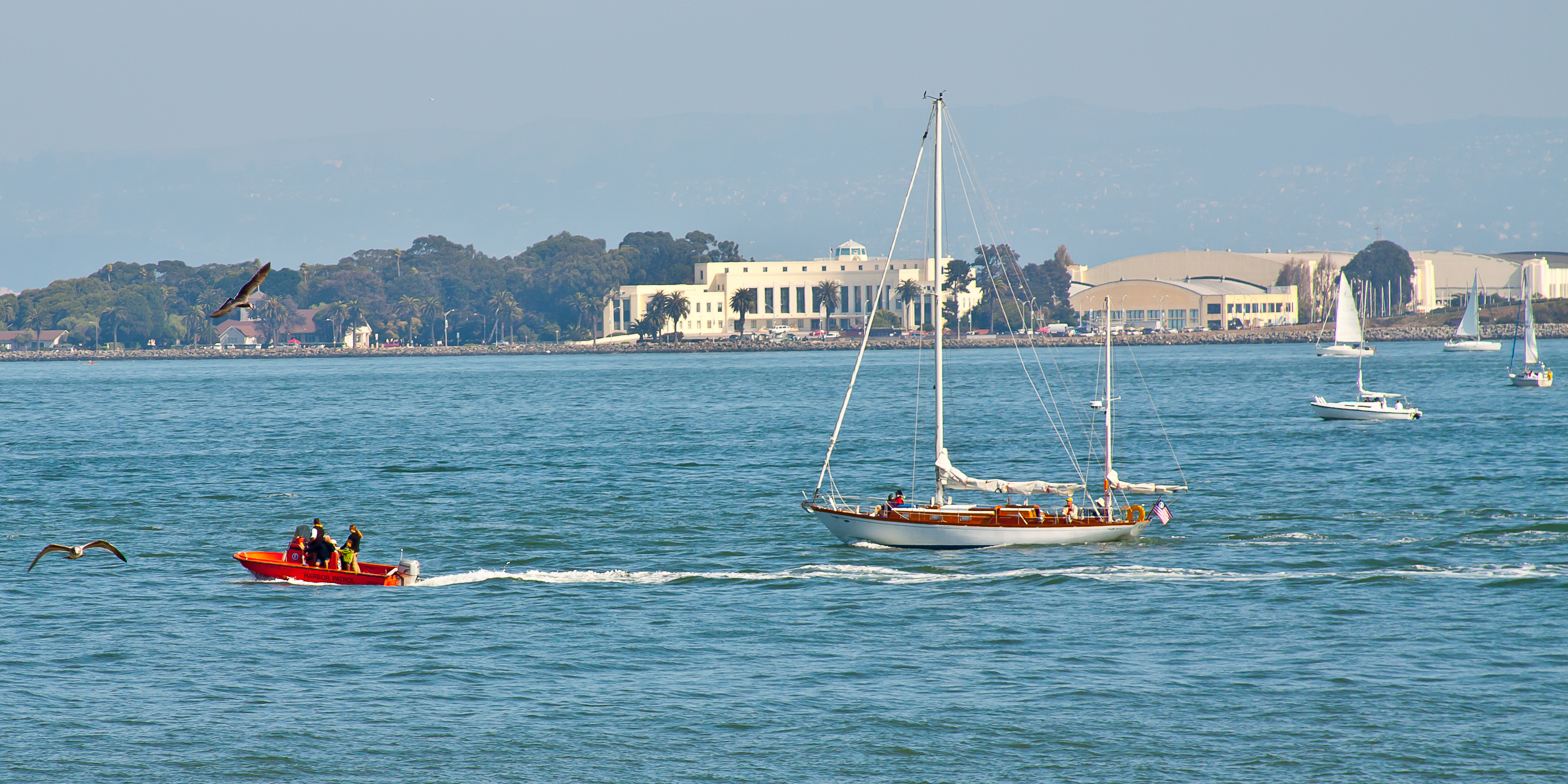
Traveling down Market Street, and in the area surrounding the famous Ferry Building, I found myself looking for (and finding) interesting views and photography angles. It was a great way to experience the city. The people, the architecture, the landscaping, even the produce on display were all worth observing.

It helped me gain appreciation for the many little gems that it seemed other people were likely missing while lost in their hurry to get where they were going.  At one point, I found myself thinking, “So many people are missing out on what I’m experiencing while looking through my camera’s view finder.”

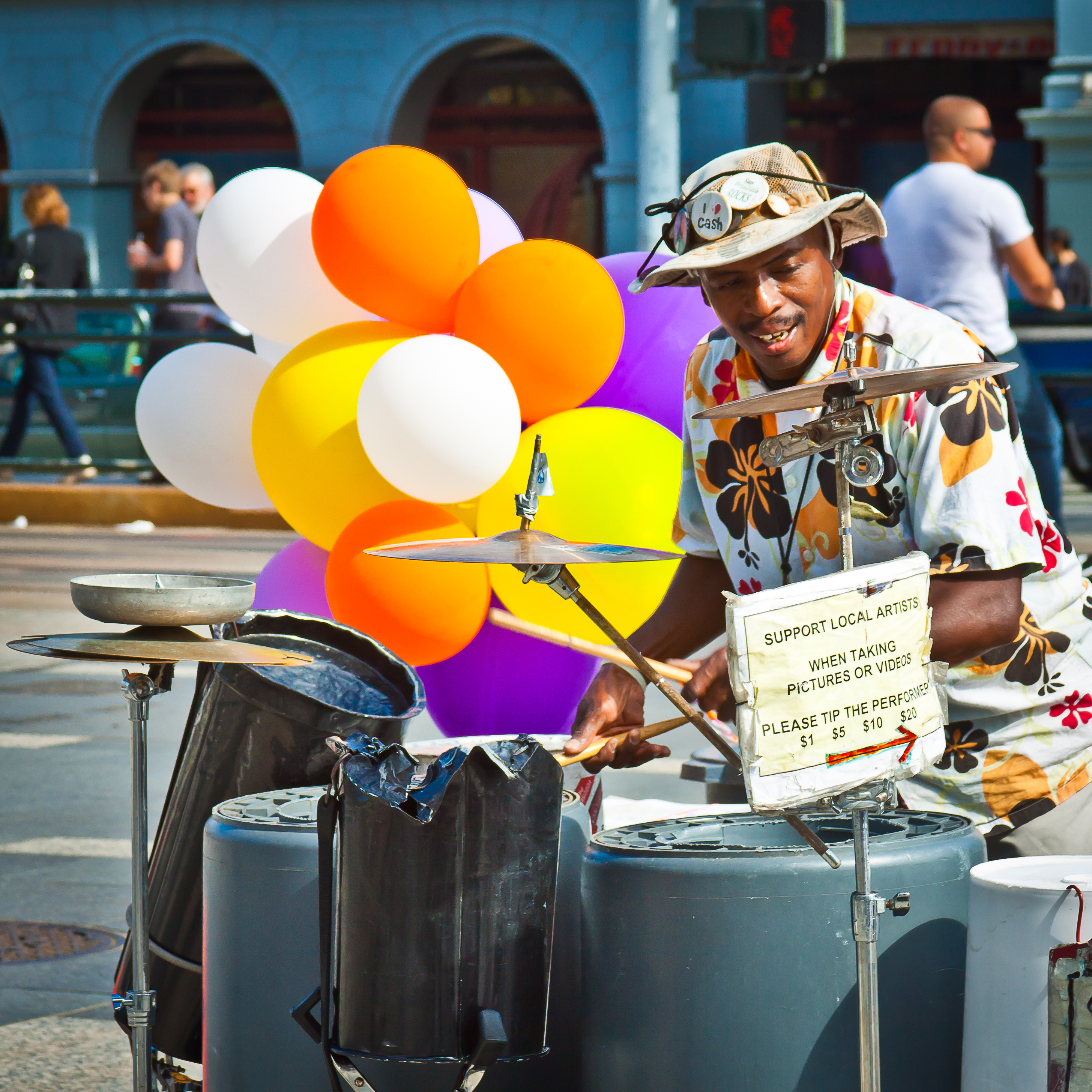
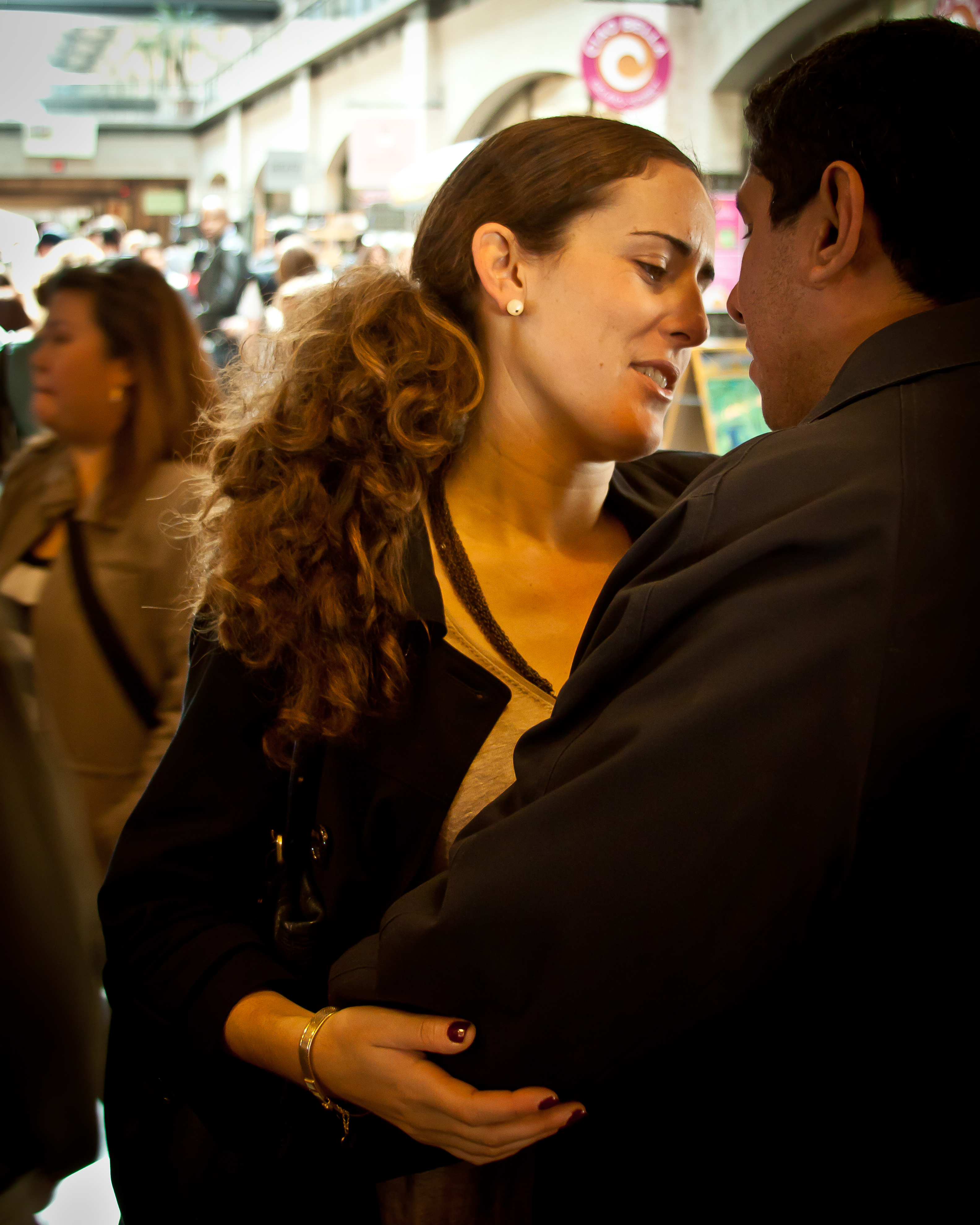
I also thought that, perhaps, it is that way with God. While too many of us are frequently going through life like a humming bird zooming through a herd of hungry cats, he sees the good all around us. Through his viewfinder, he sees all the beautiful colors on an overcast day. He see the street musician earning a living making other people smile. He sees a young woman falling in love.

Note: These and other photographs from Greg’s time peering through a viewfinder in San Francisco can be found at: 

Stopping Moments From Running Away

Note from Greg: The great American author Eudora Welty, who won a Pulitzer Prize for ‘The Optimist’s Daughter’ in 1973, once said, “A good snapshot stops a moment from running away.” This is a point that is further reinforced in the reader letter below. Perhaps, Rick is stopping moments from running away from both himself and those whom he loves.

Your photo-remedy site reminds me of my oldest brother Rick.  His lifetime hobby has been photography. For a while he even had a web site posting his pics.

During the past five years, Rick has suffered from many heart, lung and bone ailments too numerous to mention. He doesn’t have a lot of time left.  But the one thing he still likes to do is to get his camera and have someone take him to a nearby park or lake where he can escape the misery of his pain and instead capture some incredible images.

He has always had a great eye. It was not unusual for him to take hundreds of photos for example when we would go to a botanic garden or rain forest. Heck, we had a family reunion several years ago and somehow he took more than 1,500 pics in just a few hours!  I know photography is very comforting for him so I totally agree with your blog.

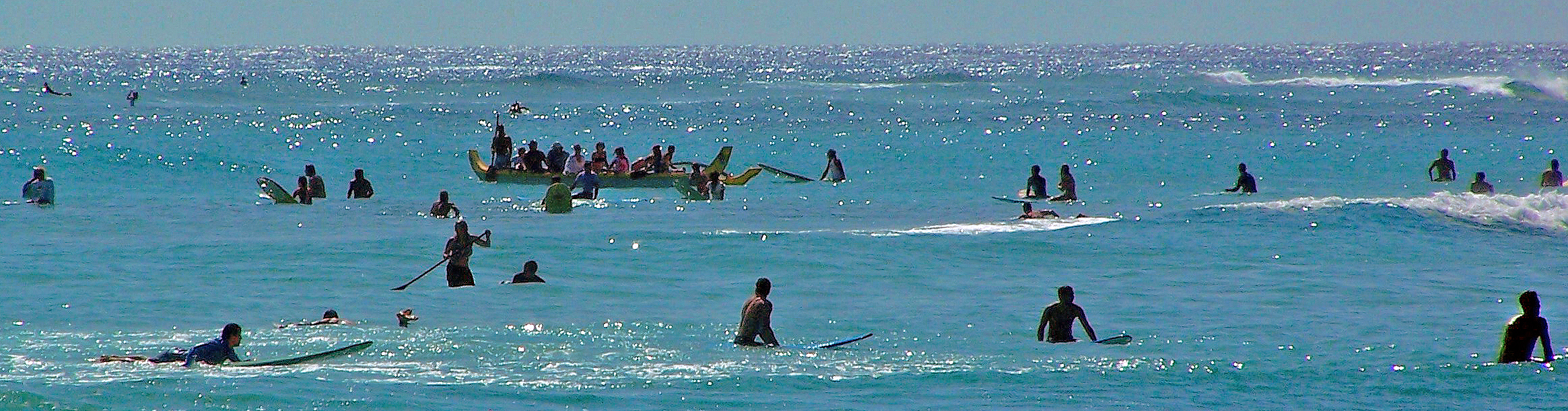
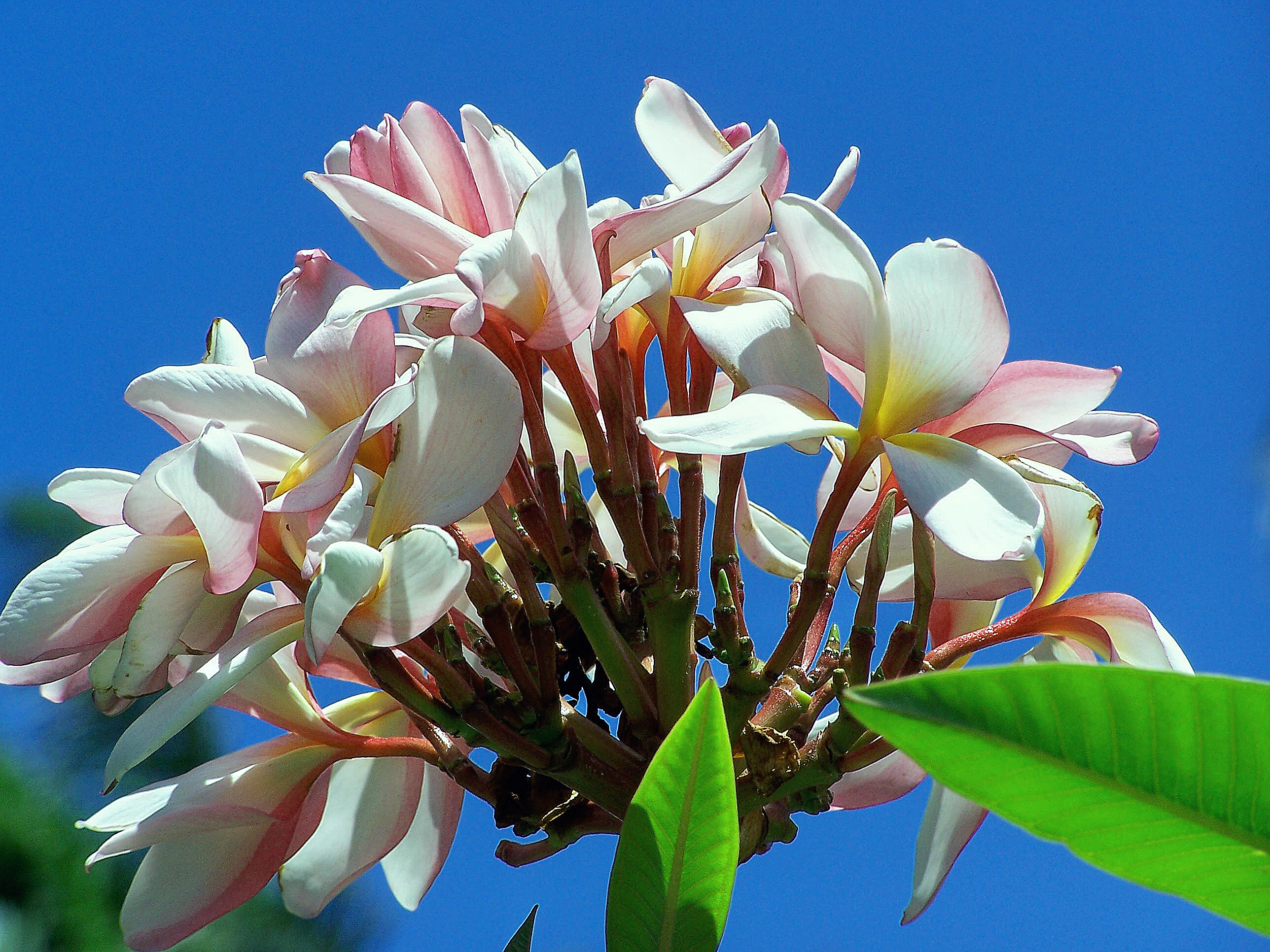
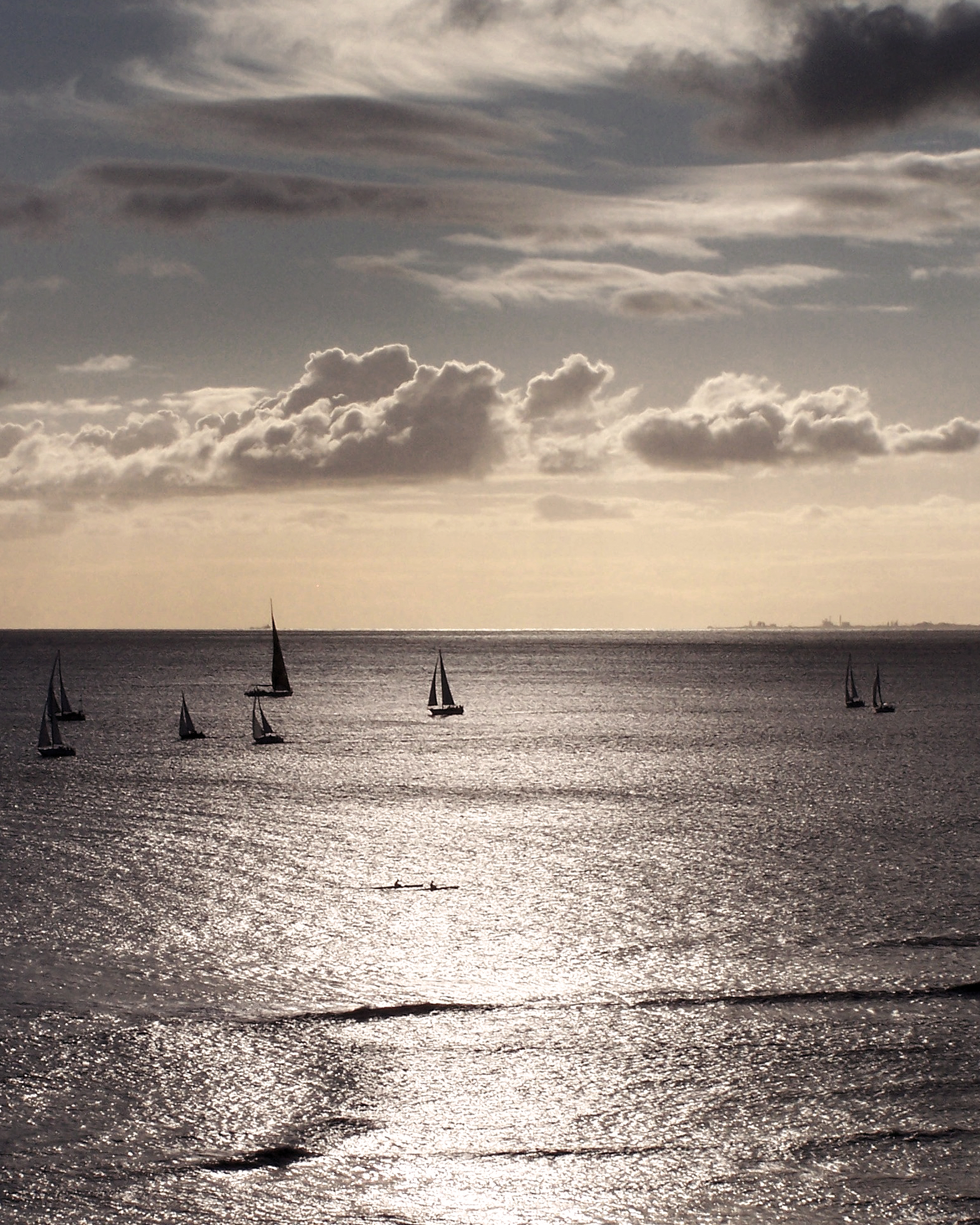
The photos featured in this posting came from Greg W. Gilstrap during a 2008 Hawaiian journey.