Romancing the Grape

The Bible teaches us that the first miracle performed by Jesus in the Gospel of John was turning water into wine at the Wedding Feast at Cana. I guess that is one of the reasons I have always been fond of the ‘fermented juice of grapes.’  Well, that’s what I like to tell myself.

I also like to remember the wise words of the late Professor Emeritus Peter R. Giradot who taught a fascinating one-hour ‘science of wine’ class when I was a student at the University of Texas at Arlington. Giradot, an affable former Dean of the College of Science, was a noted wine judge and aficionado. I remember being spell bound by his ability to romance the art of wine making.

He also was never shy about telling his students, “The medical value of wine is a well-accepted scientific fact.” While he primarily articulated the advantages of red wine, I recall he even pointed out that white wine was the first liquid some stomach surgery patients were allowed to drink in European hospitals. My fondness for Europeans grew immediately.

Today, it is fairly well accepted that red wine is heart healthy when consumed in moderation.  The Mayo Clinic reports:

“While the news about red wine might sound great if you enjoy a glass of red wine with your evening meal, doctors are wary of encouraging anyone to start drinking alcohol. That’s because too much alcohol can have many harmful effects on your body. Still, many doctors agree that something in red wine appears to help your heart. It’s possible that antioxidants, such as flavonoids or a substance called resveratrol, have heart-healthy benefits.”

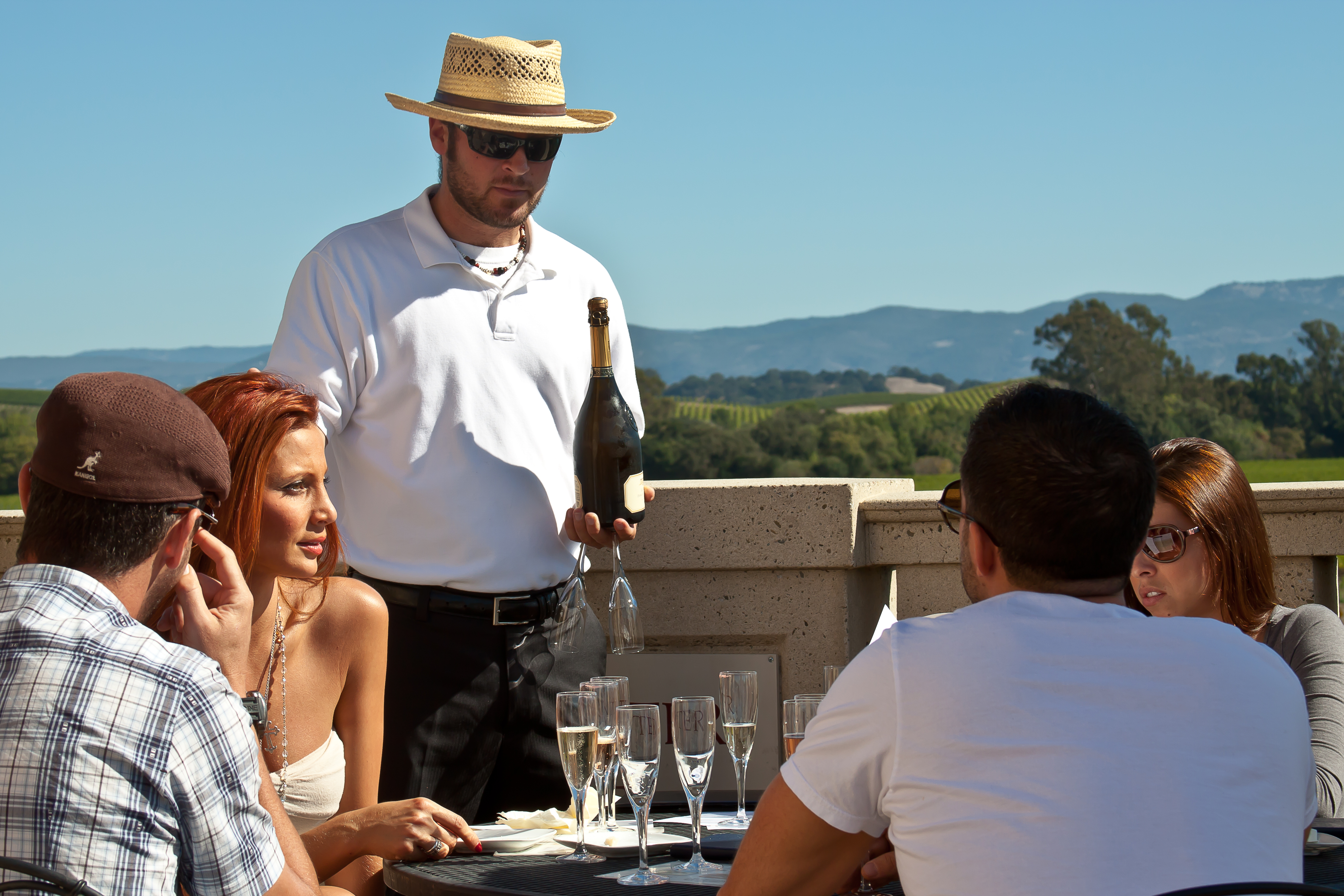
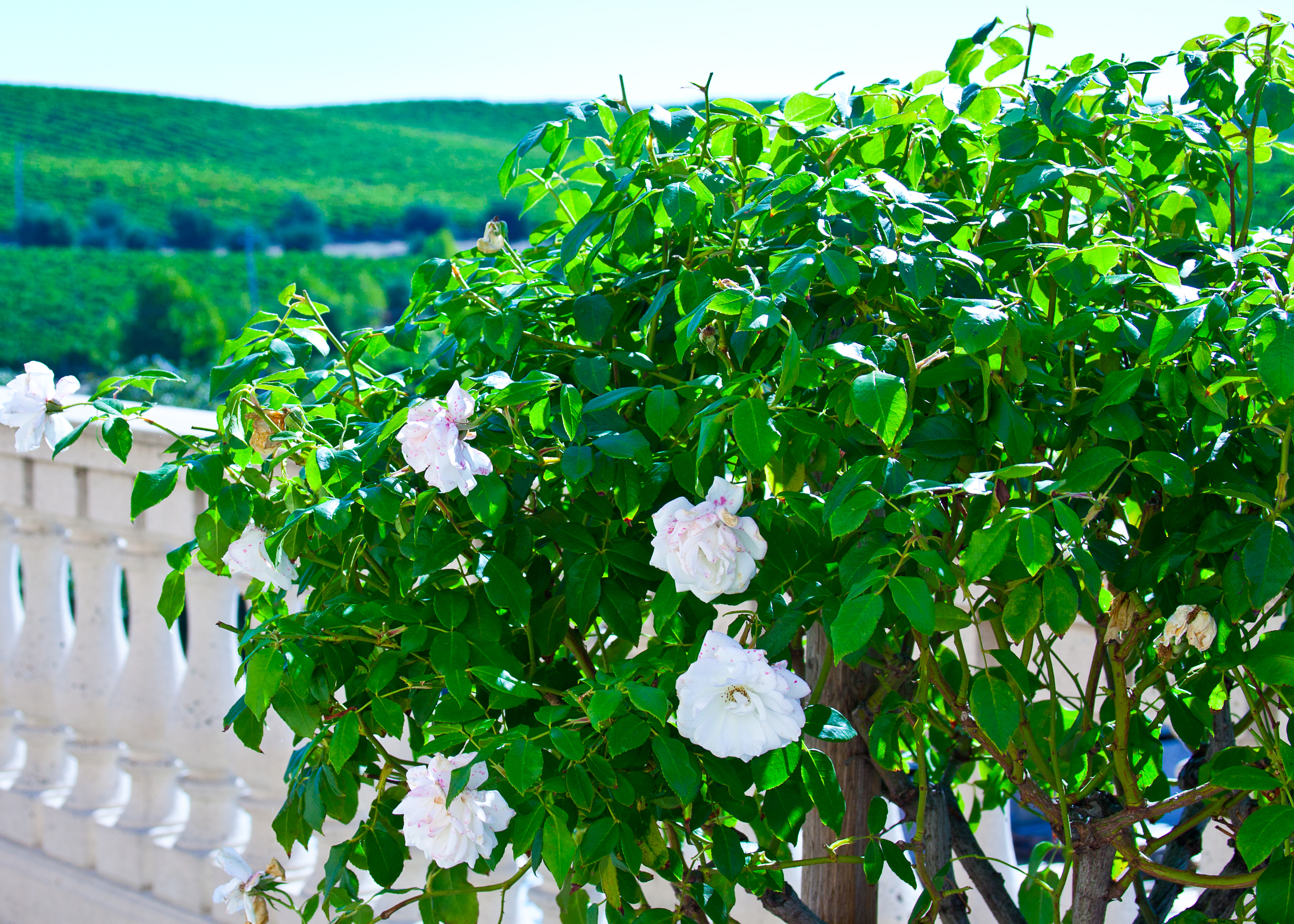
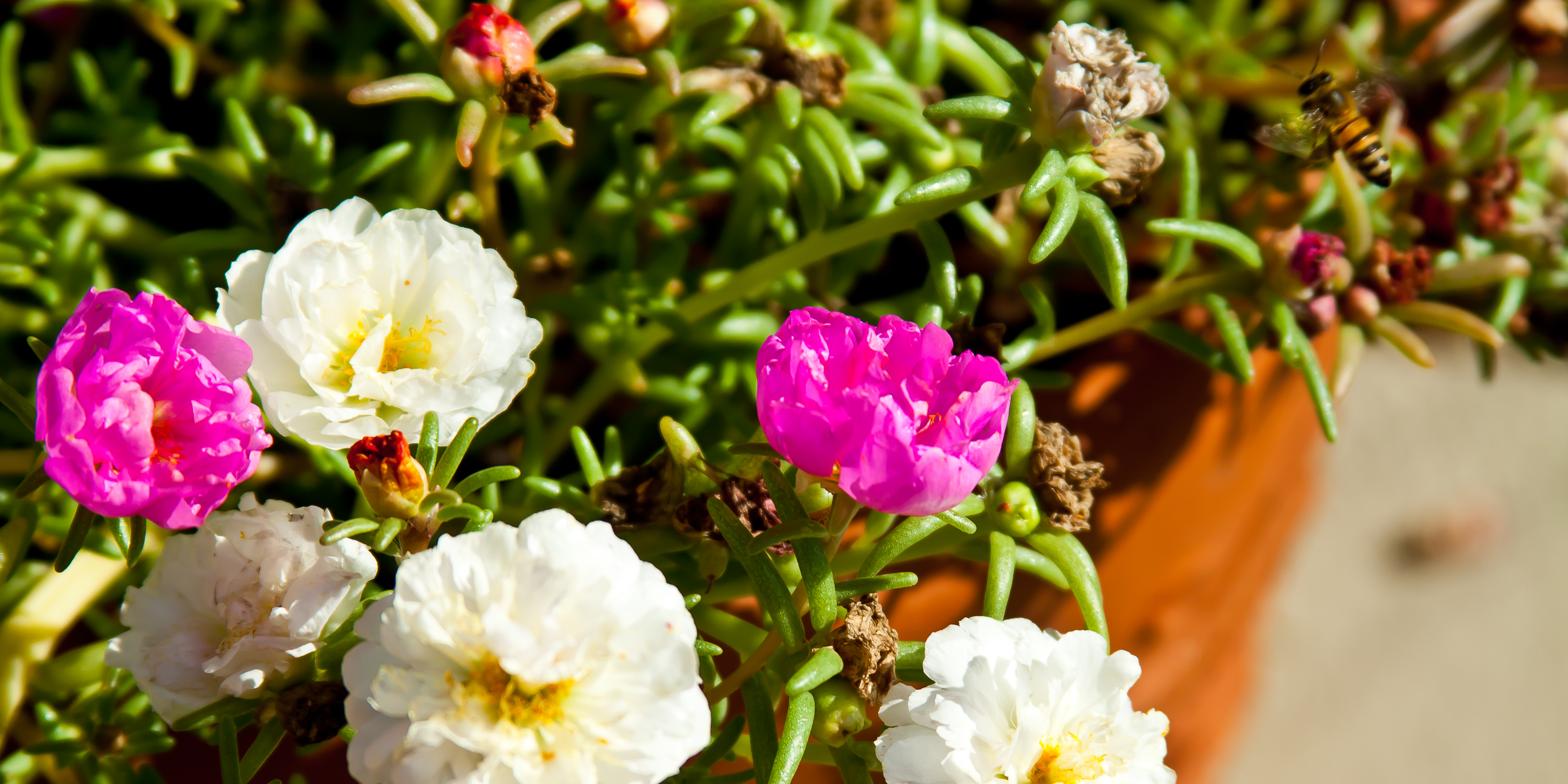
During our recent trip to the Napa-area, we got to visit the vineyards of Cakebread (my favorite), V. Sattui, Francis Ford Coppola’s Rubicon Estate, Robert Mondavi Napa Valley, Viansa, Gloria Ferrer, and Domaine Carneros (pictured above and the top of this post). The photos featured here and, in greater abundance, on our Exploration Communication website are all from these wine producers.

I will let the medical community debate wine’s merits. On the other hand, I do not need to see a study to conclude that a trip to the vineyards and tasting rooms of Napa and Sonoma County, California is an awesome photo-related remedy.  And, I like to think it is even better if you take a sip or two and enjoy it with great friends.

I wish Dr. Giradot was still around to thank him for ‘romancing the grape.’ But, I also like to think he is enjoying a robust Zinfandel while enjoying another spectacular sunset with his friends in heaven.

Cheers!

–  Greg

One Perfect Day in San Francisco

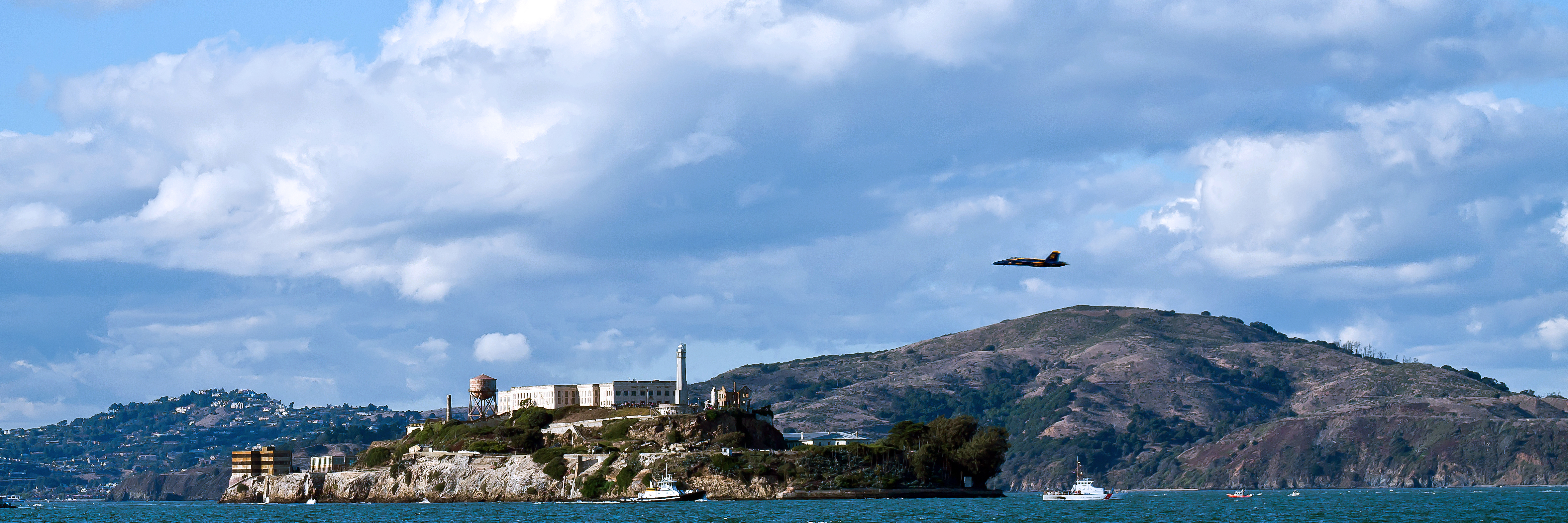
Blue Angel aircraft over Alcatraz Island during 2011 Fleet Week

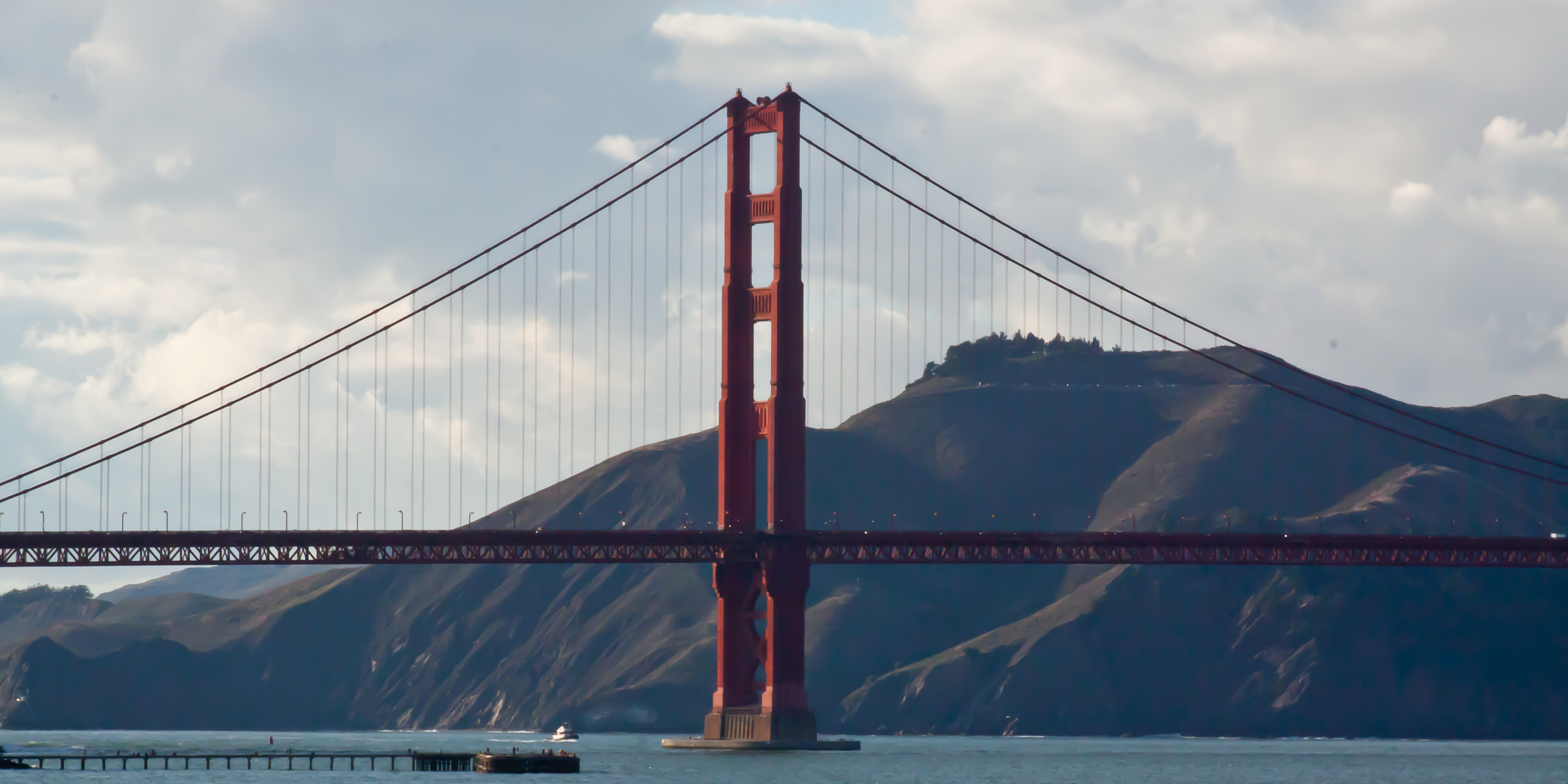
If you set aside politics and pre-conceived notions, it’s hard to deny that San Francisco is one of the most beautiful densely populated cities in the world. Television personality Larry King, for example, reportedly indicated the ultimate travel destination for him would be one perfect day in the Golden Gate City.

October 2011 sunset on Golden Gate Bridge 

“It’s a perfect 72 degrees, clear, the sky bright blue,” King has said. “I’d start down at Fisherman’s Wharf with someone I really like and end with a romantic dinner and a ride over the Golden Gate Bridge.  There’s no city like it anywhere.  And, if I could be there with the girl of my dreams, that would be the ultimate.”

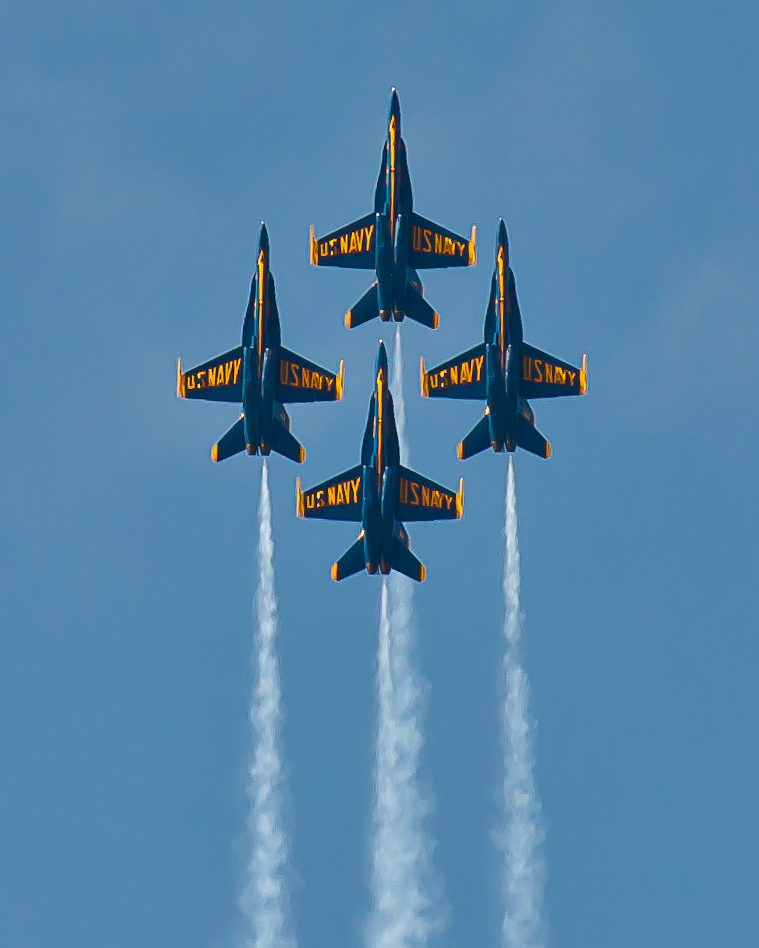
Fight for the sky during 2011 Fleet Week

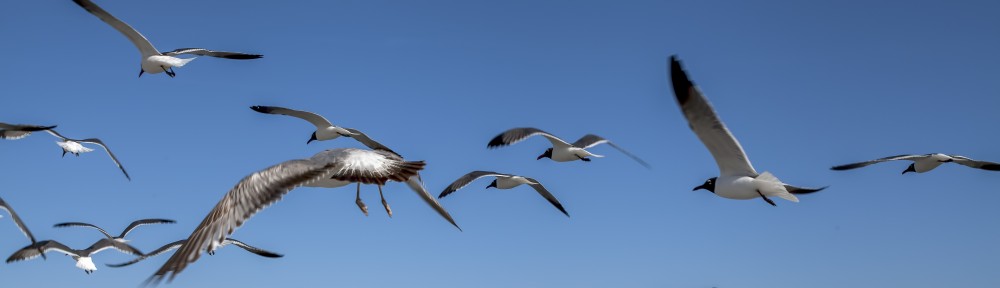
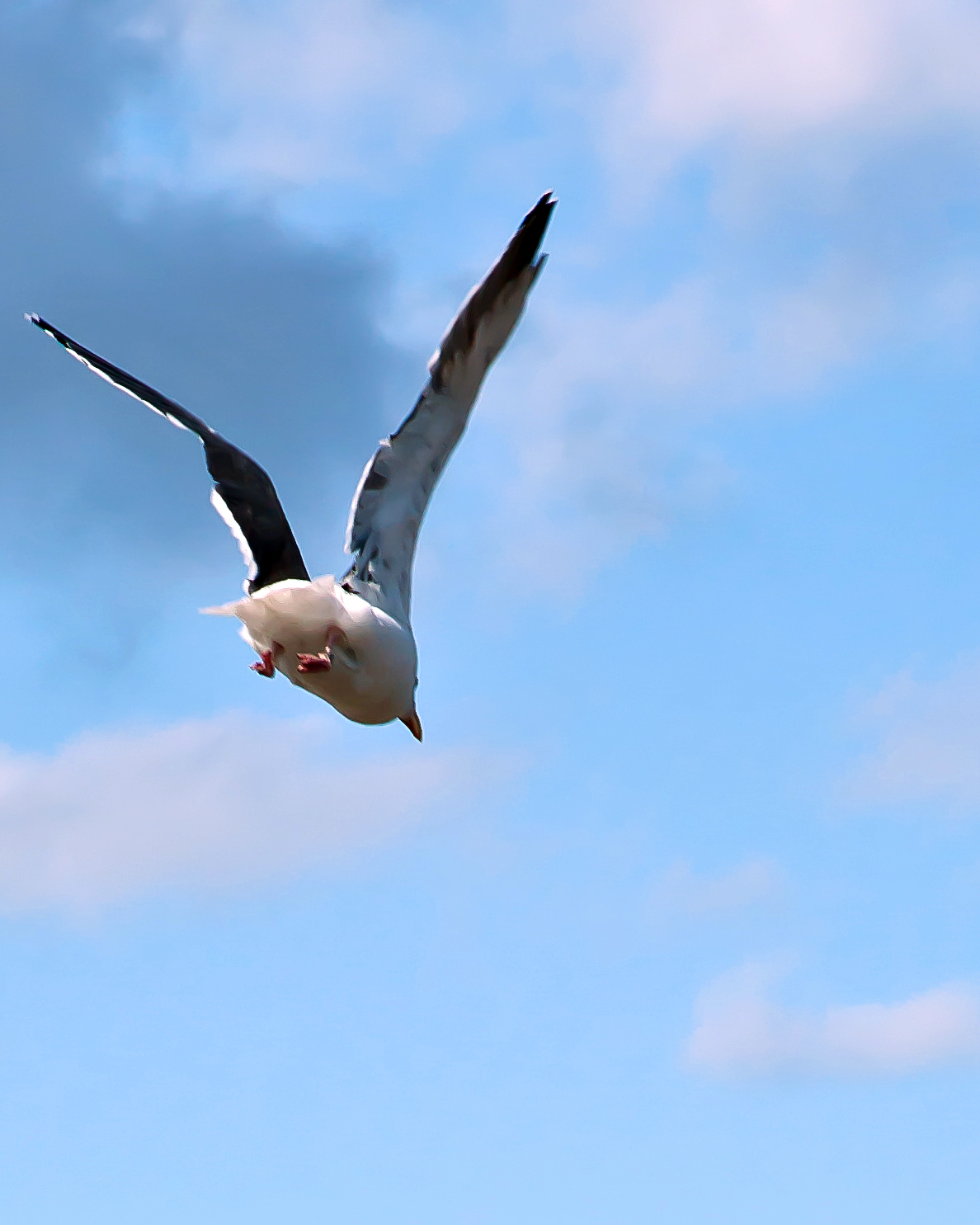
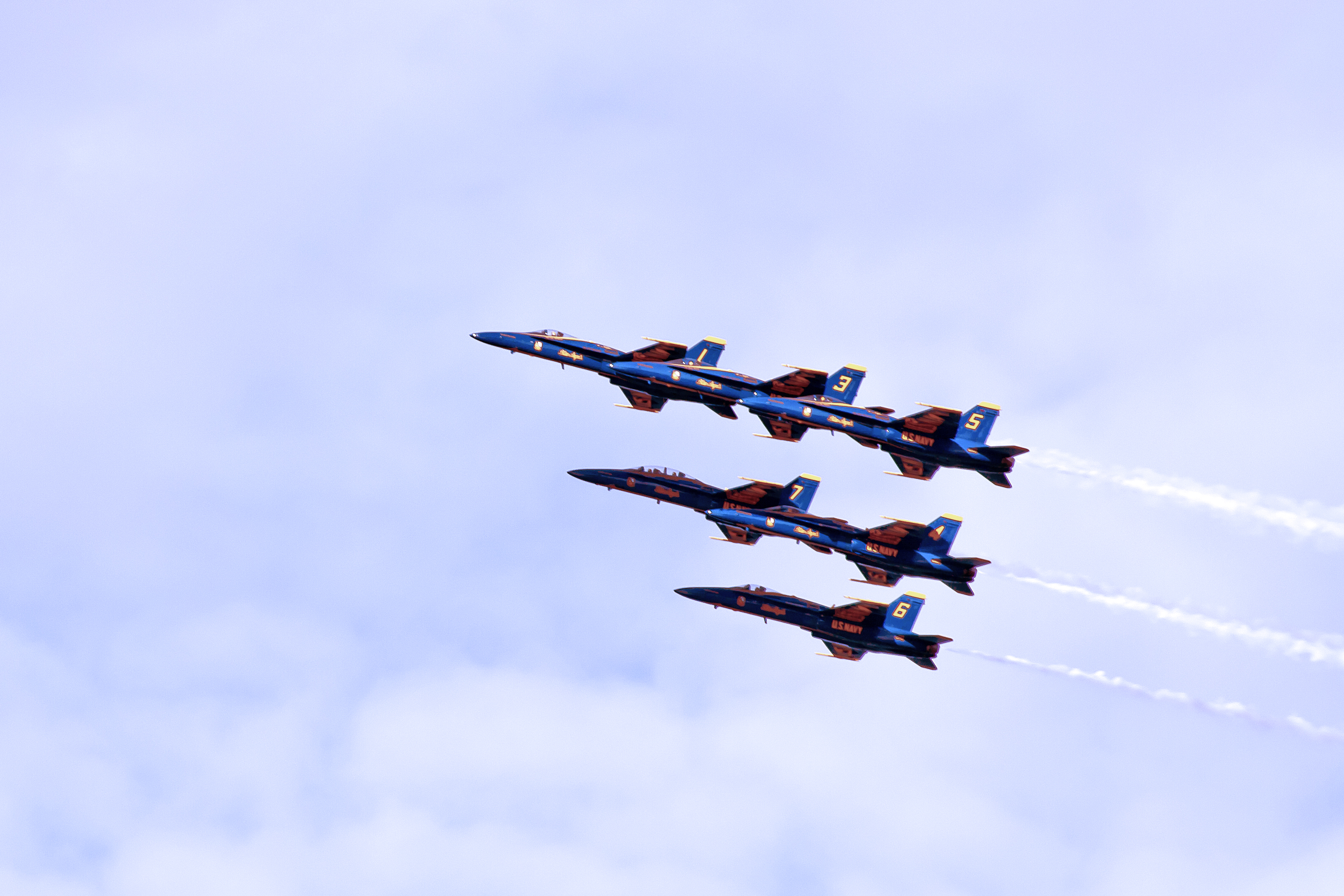
 During our recent trip to San Francisco, the Bay area, and the Napa-Sonoma region, I was fortunate enough to be there with the girl of my dreams (Mary, my wife of 29 years) and three pairs of our wonderful ‘couple friends.’ We basically started the day in the Fisherman’s Wharf area, which is where we got to take in the approaching 70 degree weather and occasional blue skies.  The skies were blue just long enough to capture the photos featured here looking up at both the water and shore birds and at some of the aircraft participating in Fleet Week 2011.

Photo-remedy Words of Wisdom  

Focusing your eyes towards the skies can be a challenging and beautiful part of photo-remedy, but don’t do it for too long if you are looking to avoid a pain in the neck! – Greg

Navy Blue Angels during Fleet Week 2011

On the Road Again

For the better part of two decades, I made my living working in the travel and tourism industry.

Just as good writers need to write, most good tourism promoters need to travel. So, I traveled to everything from promotional trade shows and policy workshops to industry forums and sales events. I’ve visited nearly every state, and several international countries.

I was on the road so often that I generally just kept a bag of “necessary” amenities and some clothes packed away in a suitcase. I could, and would, travel at a moment’s notice. It was no big deal.

But, times have changed.

While I love the thought of seeing and experiencing beautiful and entertaining places as much as I always did, the thought of traveling far from home now gives me a great deal of pause and even some anxiety. Cramped airplane and automobile seating can be extremely hard on my spine. So instead of focusing on keeping a bag packed of toothpaste and the like, I now have to think about what I will need for pain management and prevention. And, I have to do it in a way that allows for me to still carry a small bag of photography necessities.

Blue Angels at San Francisco's 2011 Fleet Week

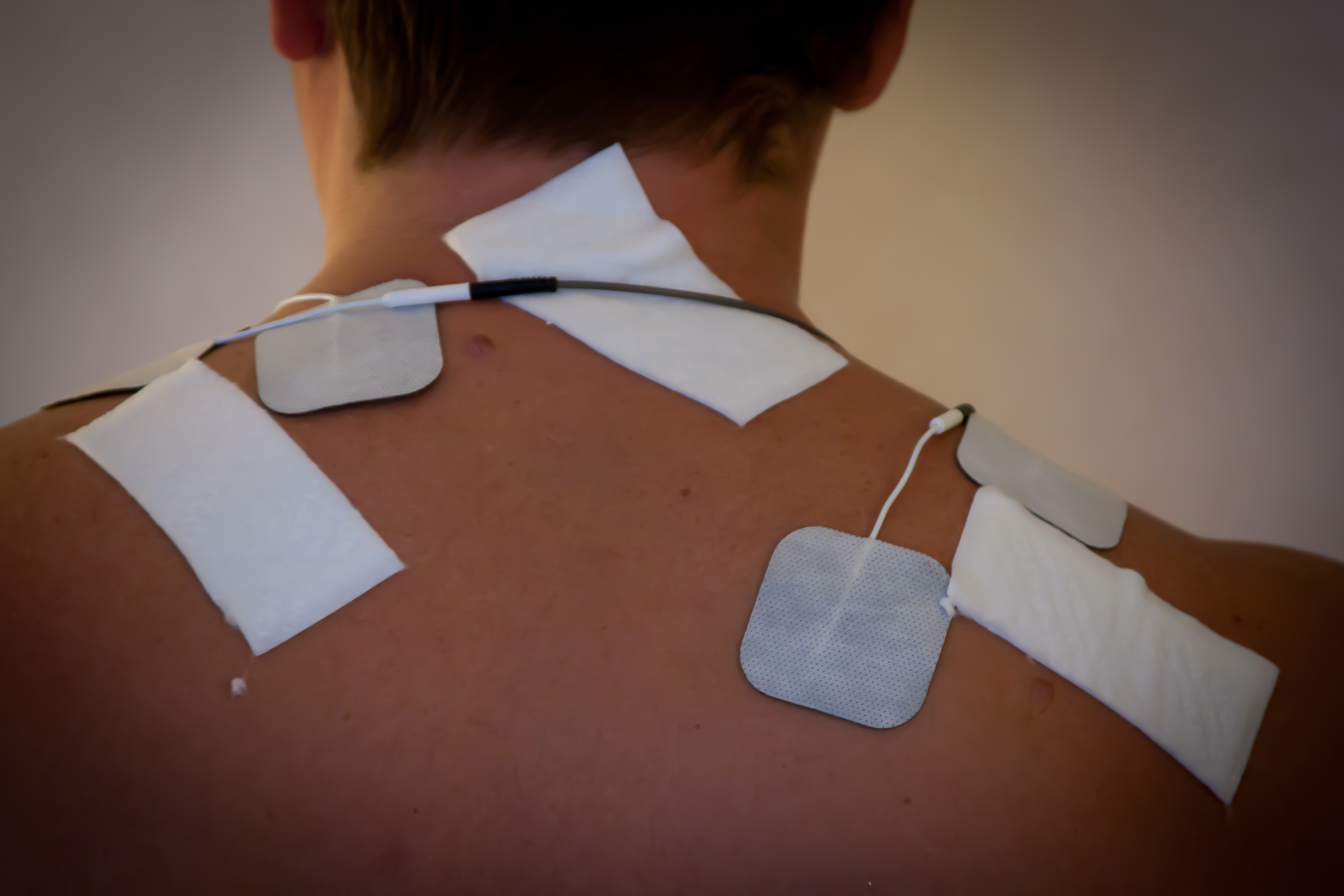
Last Thursday, Mary and I traveled with friends to see and experience Napa Valley and the Bay Area of California. The medical suitcase I had to pack included ice packs, a heat pack, a TENs unit, a CPAP machine, a cane, two special neck and back pillows, over-the-counter oral medications, prescription oral medications and pain patches, a handheld electrical biofeedback unit, a low back brace, and (of course) a corkscrew!

The photo to the right shows what my neck looked like under my shirt before I began each day. I used to fancy myself as quite the “catch.” Seeing this picture has helped cure me of what I can now admit was a delusional notion to begin with. Thank God Mary and our travel companions are all Saints.

We returned from the long weekend yesterday. Over the next few posts, I’ll share some photographs and trip stories. More importantly, I will share how photography was (once again) a powerful remedy.

Readers Speak Up!

Photo courtesy of Allison G., Prescott, AZ

Note from Greg: We have already registered some encouraging comments on the blog. The letter below came from Prescott, Arizona. It is shared with Allison’s permission. We encourage others to share their thoughts on how photography can be a remedy for whatever ails them.

Amazing that you should say this today!

This morning, I was very stressed and a little down. So, after I dropped Stefanie at school I stopped at a local lake to take in the beauty of nature. Nature has long been an elixir for my mind and soul and knew a short stop would be just what the doctor ordered. Without thinking, I began taking pictures with my camera phone. Before I knew it, I was peaceful and joyful, again. I thought to myself, maybe I should be more intentional about getting out and photographing nature.

And, then, out of nowhere… I thought about all the beautiful nature photos you’ve posted on FB! I was wondering if you felt the way I did when you took your photos. It was so restorative for me at that moment, and as I continued looking at the pictures throughout the day… it preserved the moment and kept me peaceful and joyful. Thank you for sharing your photos and your story. It has absolutely encouraged me. 🙂

Photo and note from:  Allison G., Prescott, AZ 

Beyond the Basic Zone

“It’s never set it, and forget it, with photography.”

I have a hard time remembering all I should in all areas of my life these days. For some odd reason, however, I never forget the old adage that a good photographer is never comfortable just setting their camera on auto and forgetting about it.

My Canon camera is so much better than any of the other ones I previously owned that it is tempting to ignore this rule. Nevertheless, I do know that the right settings produce much better photos over the long run. As part of my personal continuous improvement process, I initially migrated from the auto setting to what Canon refers to as the “Basic Zone.” The basic settings allow you to turn the flash on or off as you desire, and it helps you better account for shooting everything from athletic events and flower close ups to landscapes and night shots. There are great photos to be made in the Basic Zone.

Over time, I have also started to experiment with Canon’s “Creative Zone.” Liking the results here, I’ve been studying up on completing my training with these settings by developing an ability to set my own ISO, aperture (or F stop) and shutter speed settings.

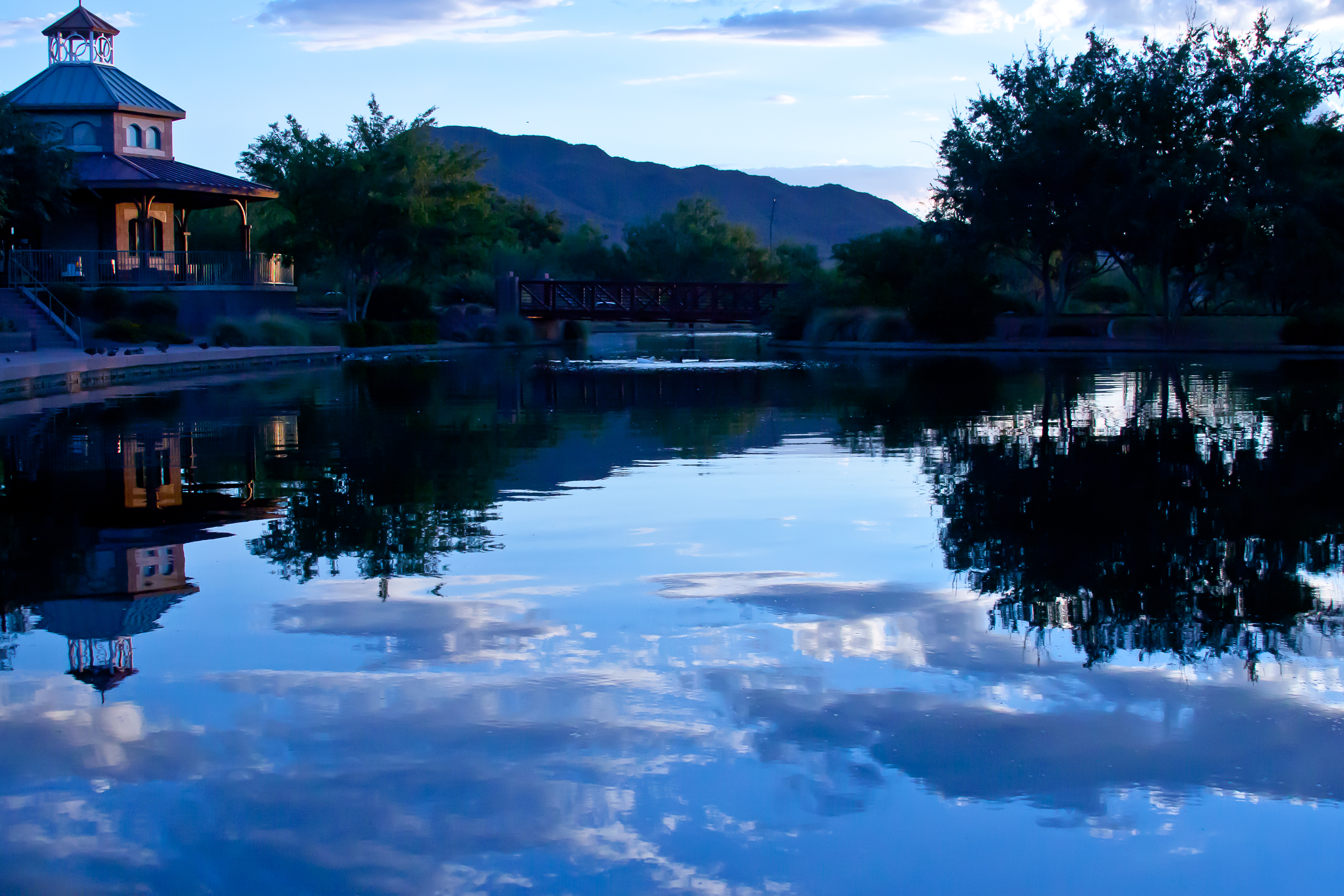
October Sunrise in Anthem

So, when pain basically prevented me from sleeping past 4-4:30 a.m. yesterday morning, I decided to grab my camera gear and practice on the “Creative Zone” settings while catching sunrise overlooking one of the picturesque lakes at the Anthem Community Park.

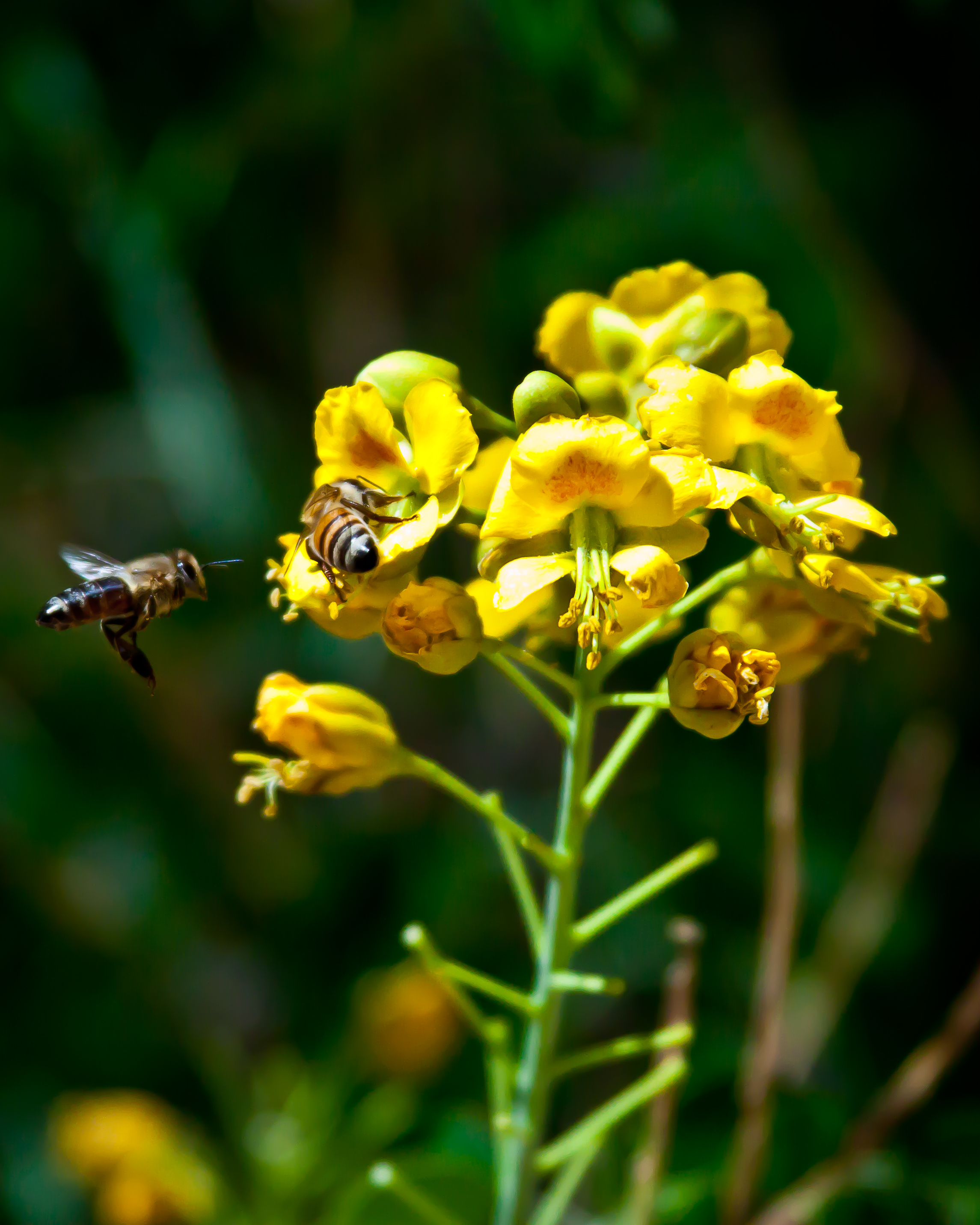
The good news? I made progress with the ISO, aperture, and shutter speed settings during a time period that can test one’s ability in those areas. It also got my mind off the pain I was experiencing while failing (again) at attempting to get some much needed additional sleep. It also inspired me to work on improving my ability to photograph the bees (one of my favorite photographic pursuits) in my backyard garden later in the day.

The bad news? I did too much and spent much of the rest of the day with ice on my lower back and cranking up the TENS  unit for my neck and right arm.

I’m still sorer than normal today, but I’ve learned my lesson for now. That’s why I’m going to send the text for this post and two or three photos to Will. No more computer time or photos for me today.  I’ll let him “land the plane.” He’s good like that!

Live and learn? For me, it’s usually two steps forward and one step back. It’s not ideal, but I’m an optimist. Let’s chalk it up as progress!

Blog Background and Initial Post

Gilstrap Garden 2011

Gilstrap Garden 2011

Almost all of the definitions are in agreement.

A hero, or heroine, is someone admired for their accomplishment(s) and gallant qualities.  Both individual acts of self-sacrifice and a lifetime marked by righteousness help shape the face of heroes in our minds.

Growing up in Kansas, and even as a young professional journalist there, I heard stories of a heroine in tiny Wellsville, Kansas.  Her name was Elizabeth “Grandma” Layton.

So, how does a grandma from the plains of Kansas become a heroine? Make a great apple pie?

In Layton’s case, her notoriety began when she was 68 and took a contour drawing class at a local university. The ability to express herself through art eventually helped Grandma Layton paint her way out of depression.

Her noble act was she wasn’t shy about hiding what many people considered to be an embarrassing illness.  Layton seemed to leap from the shadows in addressing a malady that few others, up to that time, were willing to publicly discuss.  And, as her primitive art began to attract a cult following, “Grandma” introduced millions of others to a valuable remedy. A remedy capable of making a major difference in the lives of those who suffered from similar illnesses.

I think a lot about Grandma Layton these days as I fight a battle with chronic pain.

It is estimated that more than 115 million Americans suffer from chronic pain. According to The Institute of Medicine of The National Academies, pain affects more Americans than diabetes, heart disease and cancer combined. For some, the effects can be a minor annoyance. For others, the effects are debilitating.

Following a teenage football injury, I spent nearly 30 years combating daily lower back pain. It was an annoyance. Like many young men chasing a career and trying to provide for a family, I spent more time ignoring and avoiding the issue than addressing the increasing challenges. By the time I snapped a vertebrae and my spinal column began to tumble over my tailbone, irrevocable damage may have been done. At that point, and to this date, I saw my chronic pain move from annoyance to debilitation.

As described  on our blog’s About Page,  I have a variety of pain-fighting tools at my disposal. They range from a Transcutaneous Electrical Nerve Stimulation (TENS) unit andaqua physical therapy to multiple ice packs and prescription medications. I try to restrict my use of anti-inflammatory medications and narcotic pain relief (both obviously have significant risks). Currently, I take an anti-inflammatory Celebrex tablet every other day and I’ll take an Oxycodone two or three times a month. I only take the Oxycodone when I’ve exhausted all other methods. I have other prescription medicines and herbal remedies in my arsenal, but I’m hoping they carry less significant risks.

As the title of this blog indicates, my favorite pain-fighting tool is photography. No, it doesn’t work every time I want to scream “Owwwww” or “Son of a.” But, for me, all of the steps involved in the photography process provide relief on many occasions.

Phoenix Patriot’s Day 2011

There are actually a lot of people who have arrived at similar conclusions — some being medical professionals and research experts. Others, like me, slowly began to realize that they often feel better when taking pictures, or developing them, or simply admiring their own work.  I don’t think I’ve ever taken the perfect picture, but I do find myself occasionally going, “Hey, that’s pretty good!”

I believe that just as painting was Grandma Layton’s artistic release that helped her combat depression, photography works in similar ways for me with chronic pain. Thank God for cameras, because stick figures are about the best I’ve ever done with a paint brush or pencil!

There actually is an American Art Therapy Association.  Here’s what it has to say on the subject:

“Art therapy is a mental health profession that uses the creative process of art making to improve and enhance the physical, mental and emotional well-being of individuals of all ages. It is based on the belief that the creative process involved in artistic self-expression helps people to resolve conflicts and problems, develop interpersonal skills, manage behavior, reduce stress, increase self-esteem and self-awareness, and achieve insight.”

That’s a pretty fancy definition for this Kansas boy. I’m sure I’ll refine my explanation over time. For now, here’s my best effort to articulate how I think photography helps for those fighting serious physical pain:

1)  If you are focused on capturing and developing the right type of images (not dark or depressing themes), it helps you move your mind away from pain.

2)  Through the view finder, many of the best parts of life (such as beauty, bonding, compassion and humor) are often magnified.

3)  When you experience the best parts of life and success in the creative process, many of the great emotions needed for healing are stimulated.  These feelings, in turn, are often associated with the release of endorphins. Medical science has continually concluded that with high endorphin levels we feel less pain and fewer negative effects of stress.

We’ll continue to explore this in greater detail. In the meantime, keep focusing on the best parts of life!