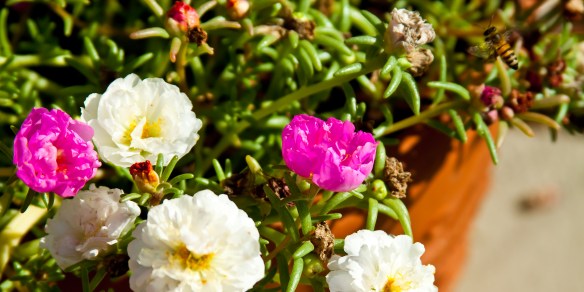
Gilstrap Garden 2011
Almost all of the definitions are in agreement.
A hero, or heroine, is someone admired for their accomplishment(s) and gallant qualities. Both individual acts of self-sacrifice and a lifetime marked by righteousness help shape the face of heroes in our minds.
Growing up in Kansas, and even as a young professional journalist there, I heard stories of a heroine in tiny Wellsville, Kansas. Her name was Elizabeth “Grandma” Layton.
So, how does a grandma from the plains of Kansas become a heroine? Make a great apple pie?
In Layton’s case, her notoriety began when she was 68 and took a contour drawing class at a local university. The ability to express herself through art eventually helped Grandma Layton paint her way out of depression.
Her noble act was she wasn’t shy about hiding what many people considered to be an embarrassing illness. Layton seemed to leap from the shadows in addressing a malady that few others, up to that time, were willing to publicly discuss. And, as her primitive art began to attract a cult following, “Grandma” introduced millions of others to a valuable remedy. A remedy capable of making a major difference in the lives of those who suffered from similar illnesses.
I think a lot about Grandma Layton these days as I fight a battle with chronic pain.
It is estimated that more than 115 million Americans suffer from chronic pain. According to The Institute of Medicine of The National Academies, pain affects more Americans than diabetes, heart disease and cancer combined. For some, the effects can be a minor annoyance. For others, the effects are debilitating.
Following a teenage football injury, I spent nearly 30 years combating daily lower back pain. It was an annoyance. Like many young men chasing a career and trying to provide for a family, I spent more time ignoring and avoiding the issue than addressing the increasing challenges. By the time I snapped a vertebrae and my spinal column began to tumble over my tailbone, irrevocable damage may have been done. At that point, and to this date, I saw my chronic pain move from annoyance to debilitation.
As described on our blog’s About Page, I have a variety of pain-fighting tools at my disposal. They range from a Transcutaneous Electrical Nerve Stimulation (TENS) unit andaqua physical therapy to multiple ice packs and prescription medications. I try to restrict my use of anti-inflammatory medications and narcotic pain relief (both obviously have significant risks). Currently, I take an anti-inflammatory Celebrex tablet every other day and I’ll take an Oxycodone two or three times a month. I only take the Oxycodone when I’ve exhausted all other methods. I have other prescription medicines and herbal remedies in my arsenal, but I’m hoping they carry less significant risks.
As the title of this blog indicates, my favorite pain-fighting tool is photography. No, it doesn’t work every time I want to scream “Owwwww” or “Son of a.” But, for me, all of the steps involved in the photography process provide relief on many occasions.

- Phoenix Patriot’s Day 2011
There are actually a lot of people who have arrived at similar conclusions — some being medical professionals and research experts. Others, like me, slowly began to realize that they often feel better when taking pictures, or developing them, or simply admiring their own work. I don’t think I’ve ever taken the perfect picture, but I do find myself occasionally going, “Hey, that’s pretty good!”
I believe that just as painting was Grandma Layton’s artistic release that helped her combat depression, photography works in similar ways for me with chronic pain. Thank God for cameras, because stick figures are about the best I’ve ever done with a paint brush or pencil!
There actually is an American Art Therapy Association. Here’s what it has to say on the subject:
“Art therapy is a mental health profession that uses the creative process of art making to improve and enhance the physical, mental and emotional well-being of individuals of all ages. It is based on the belief that the creative process involved in artistic self-expression helps people to resolve conflicts and problems, develop interpersonal skills, manage behavior, reduce stress, increase self-esteem and self-awareness, and achieve insight.”
That’s a pretty fancy definition for this Kansas boy. I’m sure I’ll refine my explanation over time. For now, here’s my best effort to articulate how I think photography helps for those fighting serious physical pain:
1) If you are focused on capturing and developing the right type of images (not dark or depressing themes), it helps you move your mind away from pain.
2) Through the view finder, many of the best parts of life (such as beauty, bonding, compassion and humor) are often magnified.
3) When you experience the best parts of life and success in the creative process, many of the great emotions needed for healing are stimulated. These feelings, in turn, are often associated with the release of endorphins. Medical science has continually concluded that with high endorphin levels we feel less pain and fewer negative effects of stress.
We’ll continue to explore this in greater detail. In the meantime, keep focusing on the best parts of life!
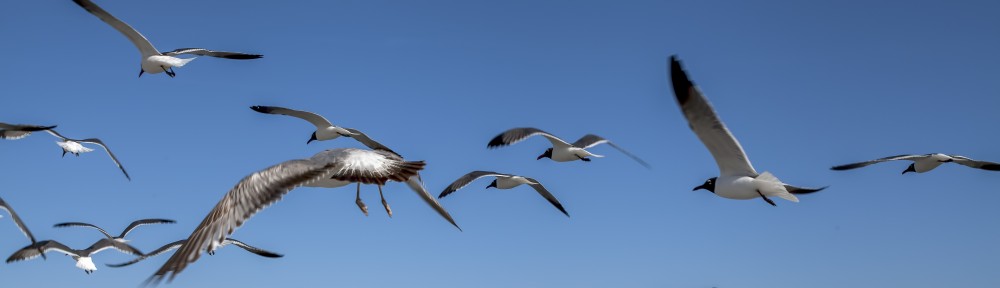
 “It’s never set it, and forget it, with photography.”
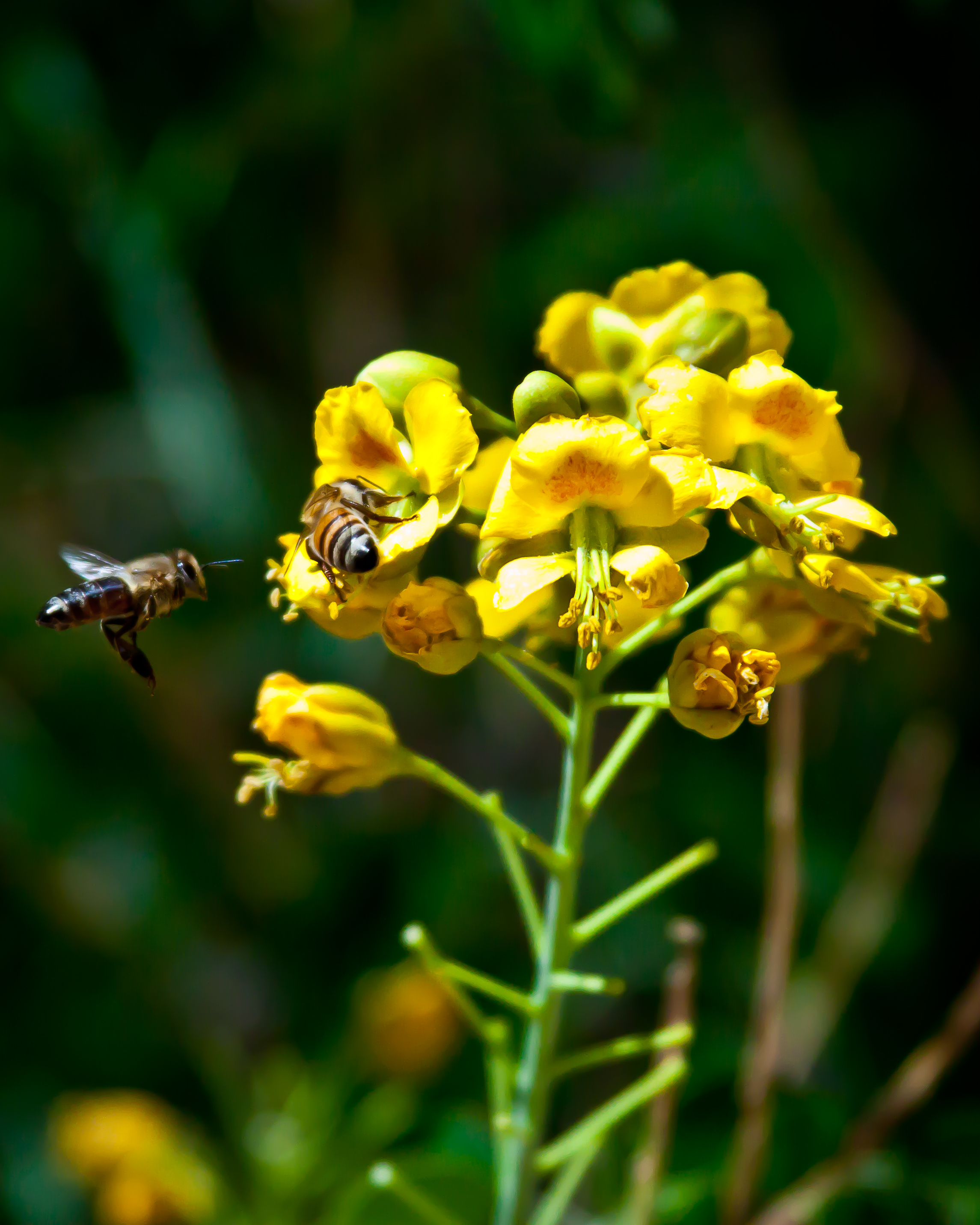 back and cranking up the TENS unit for my neck and right arm.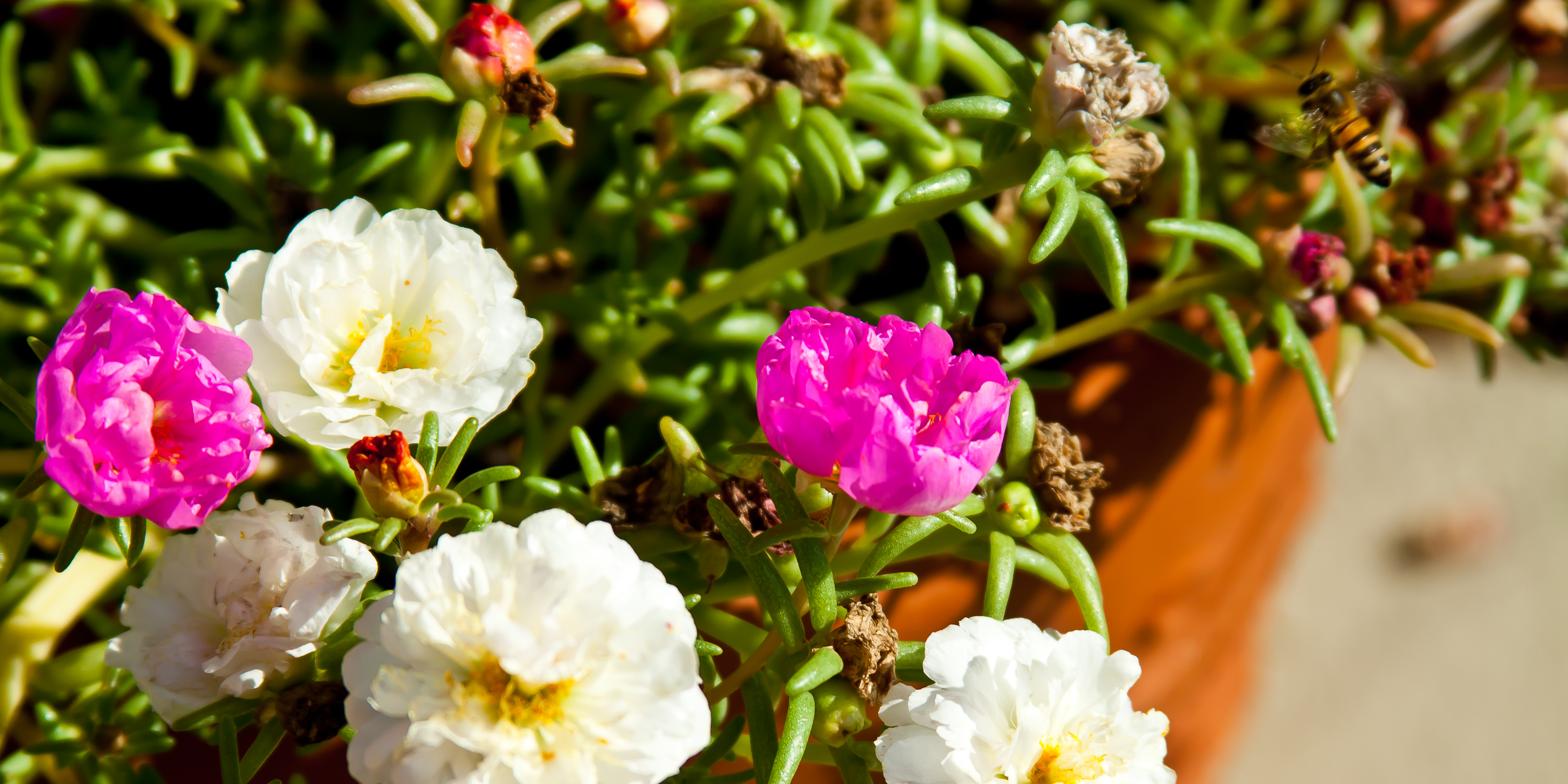
 photoremedy.me